Imani Perry & Maurice Ruffin: What Happens When the Law No Longer Exists?
00;00;00;00 - 00;00;23;21
Speaker 1
Hello beautiful people. Welcome to Baldwin and Co podcast. My name is DJ Johnson and I am the owner of Baldwin and Co. We are a bookstore coffee shop down in New Orleans. So make sure when you're in New Orleans you come down and check us out. Our address is 1030 Elysian Fields Avenue. We'd love to have you. Today we got another amazing show for you.
00;00;23;21 - 00;01;01;23
Speaker 1
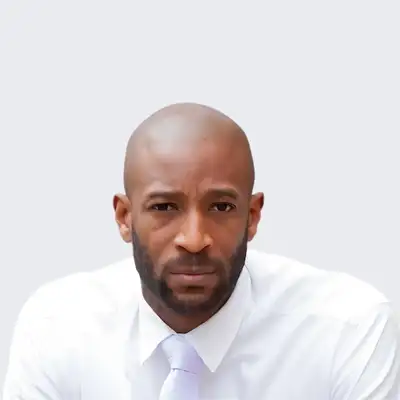
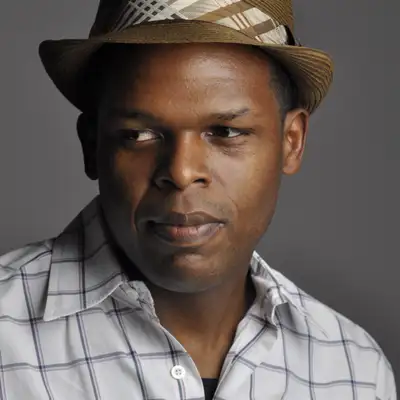
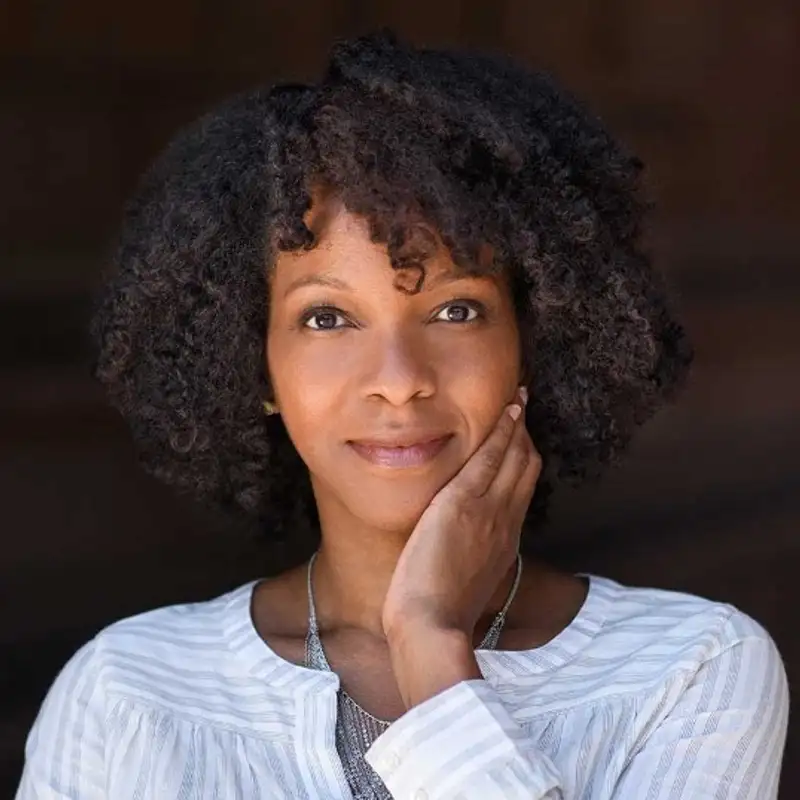
Two of my favorite people on the planet. We got Imani Perry in conversation with Maurice Carlos Ruffin. Imani is a scholar and author whose work blends history, culture, and black intellectual traditions to illuminate the complexities of American life. And Maurice is a New Orleans born novelist and Swiss essayist. And he's known for his sharp, soulful storytelling and his wit and humor, and how he just unpacks the city's beauty and contradictions and just in doing resilience.
00;01;01;25 - 00;01;30;20
Speaker 1
And they came through the Baldwin a company has an amazing conversation. They sat down and they basically gave us a history lesson, a cultural reality check in a sermon on just how to keep going all at the same time. One of the things that Imani does just excellently. She has a mix of just like sharp insight and lyrical flow that makes you rethink everything you thought you knew about America.
00;01;30;22 - 00;01;51;13
Speaker 1
Especially the stories we tell ourselves about freedom and progress. And of course, Maurice being his brilliant self, he just brought his signature mix of humor and honesty to the conversation. And what life actually feels like here in New Orleans and in the wider world. And the two of them. They didn't try to offer neat answers. They just would.
00;01;51;15 - 00;02;24;26
Speaker 1
Digging into contradictions we live in within the gaps in our democracy and the way black voices get pushed aside, and why joy sometimes becomes the most radical form of resistance that that we have. So it it's an urgent reminder that books aren't just for escaping, but that books help us face which what's real and just helps us remember where we come from might just be the most revolutionary thing any of us can do.
00;02;24;28 - 00;02;43;29
Speaker 1
So looking forward to you diving into this show. It's one of my favorite. So make sure you give it a listen. Subscribe, share with everyone that you know, and I'll thank you all for supporting Baldwin and Cole. Let's dive into it.
00;02;43;29 - 00;02;47;05
Speaker 1
I'm a Reese Carlos Ruffin, author of The American Daughters.
00;02;47;07 - 00;02;52;13
Speaker 2
My name is Imani Perry, author of Black and Blues.
00;02;52;15 - 00;02;55;00
Speaker 1
So, Doctor Perry, how are you today?
00;02;55;03 - 00;02;57;24
Speaker 2
I'm pretty good, all things considered. Yeah. Yeah.
00;02;57;29 - 00;03;00;07
Speaker 1
I mean, you're here at Baldwin, here in New Orleans?
00;03;00;08 - 00;03;00;28
Speaker 2
Yes.
00;03;00;28 - 00;03;14;20
Speaker 1
And I always love having you in town, but I feel weird having you here. We just like police state we got going on right now. You might have thought that there's, like, police, feds, tanks, everything else. Yeah, it's out right now. Yeah. Oh, I wish you were here. Like I'm a lot of circumstance.
00;03;14;21 - 00;03;37;26
Speaker 2
Me, too. It's terrifying, actually. And I was thinking, riding over here, seeing all of the tanks and the assault rifles that, I guess, theoretically, is just supposed to make us feel safer, right? But it actually was quite terrifying to me, particularly given the powers that be that we're operating with right now.
00;03;37;29 - 00;03;54;20
Speaker 1
That's exactly it. I saw them arresting or at least questioning how this man was just sitting on the ground by himself. I'm like, I would see that guy just walking around. I think, oh, that's like one of my neighbors, you know? Yeah, absolutely. I didn't feel in danger around him. But now you got these people with these long rifles and against the tanks, which I've never really seen.
00;03;54;20 - 00;04;03;26
Speaker 1
A tank in New Orleans. Nothing in Katrina for a second. Sure. I've never seen a tank. And these are brought in for entertainment purposes, which is also kind of bizarre to.
00;04;03;28 - 00;04;04;28
Speaker 2
Say more about that.
00;04;05;05 - 00;04;25;10
Speaker 1
Well, I mean, we have a big game coming up, right? It's the biggest televised event in the world. It gets bigger every year. It's, seen all over the world, and in most countries it's propaganda. Yeah. It's violent. It's vicious. Even with the money that's made by, you know, the brothers involved in the game, you know, they're being taken advantage of to a certain extent.
00;04;25;10 - 00;04;32;02
Speaker 1
Sure. And, of course, you have to protect it. It's very good at protecting things that you shouldn't be protecting so much.
00;04;32;04 - 00;05;18;23
Speaker 2
You know, it's interesting because I I for an Alabama and I don't know too much about football, not our football, but I think that it's interesting how much it has been this like this flashpoint of culture over the, over the past decade. From Kaepernick right on word and this idea that somehow football represents the United States, but and then thinking about this, I guess one of the questions I am struggling with is whether this is really the sort of all the paramilitary forces is about the Super Bowl or it is also some kind of display that is actually really about, making us adjusted to having tanks and soldiers in
00;05;18;23 - 00;05;47;26
Speaker 2
our streets, whether it's about an exercise of force. That's the same kind of display of Americana that the foot that that the Super Bowl itself is. You know, I don't I think part of what's hard is I'm not entirely clear about how to read this moment. And I guess that's the other thing that I was hoping we could talk about because, for you as, as an attorney for me, as a former law professor, this question about what is, what is the legal regime doing?
00;05;47;27 - 00;05;57;26
Speaker 2
What is law? It doesn't exist anymore. What is it doing? What is it not doing? Are we just going to fall into, you know, a completely fascistic state?
00;05;57;29 - 00;06;11;03
Speaker 1
I mean, there's the frog in the pot of boiling water. That old metaphor. Yeah. And then is the idea the Overton window? And if what's going on now continues long enough, you can have a generation of young people who see this as normal.
00;06;11;05 - 00;06;11;22
Speaker 2
Absolutely.
00;06;11;25 - 00;06;27;12
Speaker 1
And they just buy into it. And I'm really amazed at how when we were talking before about this idea of traditions, I know when I was in law school, my karma professor, Professor Medina, she would always say, you know, even the law is to a certain extent just traditions and it just ideas that we have decided to agree to.
00;06;27;14 - 00;06;43;22
Speaker 1
And instead administrations come in and as fast as possible, try to tear apart as many traditions as they possibly could. From renaming the Gulf of Mexico to say it is no longer birthright citizenship. And what we really see is that yeah, people are grumbling online, but to a certain extent people are acting as if they're helpless, which is strange to me.
00;06;43;23 - 00;06;45;03
Speaker 2
It is.
00;06;45;05 - 00;07;00;17
Speaker 1
There's this moment in time where, like, I think we talked about it, this idea of you got to show up physically for something like go to the white House. Just a few thousand people just go in front of the white House so they can see you standing there. Know your presence. Yeah. As opposed to, like posting on Snapchat, which, you know, the current is.
00;07;00;19 - 00;07;01;16
Speaker 2
Going to affect your.
00;07;01;17 - 00;07;02;22
Speaker 1
Tomorrow. Yeah. Yeah.
00;07;02;23 - 00;07;26;17
Speaker 2
Few minutes. Yeah. Yeah. No. And it's you know, it's funny because I have I, when I used to teach, legal history and con law, I used to always make the point. The Supreme Court does not have any enforced power. Right. We learned that early on. And so the court, for all of their interpretations, to be validated, requires one of the other branches.
00;07;26;17 - 00;07;49;13
Speaker 2
What happens now that all you know, that all the branches are, controlled by this party that seems, you know, hell bent on destroying any sense of accountability? Yeah. And the law and I, I guess the other part then is what you just said is, okay, so the court may not have enforcement power, but we as it's not even just citizens.
00;07;49;13 - 00;08;03;04
Speaker 2
People who live in the nation have some kind of enforcement power, but don't believe we do. I mean, why do you why do you think that is?
00;08;03;07 - 00;08;34;26
Speaker 1
It was tricky to me is that there's a certain kindness and there's a certain decorum that I think especially exists on the left side of the spectrum. And moderates in the middle all the way over. And think about January 6th, for example. Yeah. Unprecedented moment. Now we use that word so much. But these unprecedented times. Yes. And this idea of thousands of people who would leave a rally by the guy who just lost, who said, you know, stand in for me and go to this place and, you know, the day they go to the Capitol and they break in and they beat up cops and they tased them, and they, I mean, lead to
00;08;34;26 - 00;08;58;04
Speaker 1
the death of some people. And then somebody there was a campaign to see it. This I thought was interesting. Okay. Why would you pardon those people? And they made the analogy of a a king or despot. When they have, run a revolution and they're people to be freed. Yeah. So people like. Oh yeah, it's like McGill was like, no, his troops, one just showed up and one they physically show up one.
00;08;58;11 - 00;09;15;27
Speaker 1
So of course, you know people on the left, we have this tradition of like protesting. And that's been a thing for a long time for us. I mean, not the right has adopted it. It's almost as if we're afraid of it. Yeah. I mean, look, the whole Gaza thing is difficult for me because I remember when Thanasi was here and he was talking about it, and he was speaking with wisdom, as always.
00;09;15;29 - 00;09;28;06
Speaker 1
Yeah. And I kept thinking about these young people showing up to colleges and protesting. But in the back of my mind, a little voice kept saying, you're yelling at the wrong people. These college presidents, they don't pull any levers. They just follow orders from somebody else.
00;09;28;13 - 00;09;28;25
Speaker 2
That's the.
00;09;28;25 - 00;09;46;04
Speaker 1
Truth. And because both sides of the politics, the former president and the corporation, they believe the same thing. Let them starve, let them die and let the babies, you know, die as well. Again, go to those people. Go to the white House, go to moralize, say something, be heard, and that it happen. And now we're in a situation where we had 40,000 dead.
00;09;46;04 - 00;10;05;29
Speaker 1
And I think today the president released a thing saying that all of the Palestinians out just leave Gaza. Being a little rough, being rough to be a human being, effective of actually putting your bodies. Yeah. But how can I say that is a black man? You know, to a black woman, we've seen so much of this world against us, right?
00;10;05;29 - 00;10;43;11
Speaker 2
I mean, I think this is what you said. I think that's the the terrifying piece. And when you were talking about just now about the student protests, one of the things for me that was really tricky with having students of mine who protested all throughout my career, this was very different, right? The this is the first time I had students who were actually charged with crimes for protesting, even if even though they were, they had taken over buildings before or, you know, the threat of expulsion, even if they hit like things that the so the consequences were different.
00;10;43;13 - 00;11;00;21
Speaker 2
So then it becomes in terms of political organizing, saying, this is why I'm really intrigued by you talking about putting their putting bodies on the line, because in terms of political organizing, like we sort of try to operate from a place strategically. You know, if I do this, it's going to do it. You know, you sort of try to plot out.
00;11;00;23 - 00;11;18;12
Speaker 2
Now we're in a, a phase, I think, where it's not clear what the response is going to be. So it is at any possible moment putting your body on the line like that, you know, because it could be a completely disproportionate response. Yeah. It intended to silence. Yeah.
00;11;18;15 - 00;11;36;07
Speaker 1
People if somebody protested here in New Orleans at the Super Bowl, I can see that getting out of hand really fast. Yeah. And the more I think about it, I can just see it getting out of hand just in the future, over the next four years, there will be a moment. You know, I think one of the things that was encouraged to me about the George Floyd protest, which were global, I mean, they were in Germany.
00;11;36;09 - 00;11;37;04
Speaker 2
They were.
00;11;37;07 - 00;11;40;15
Speaker 1
Everywhere was it was not necessarily us doing most of it.
00;11;40;17 - 00;11;41;03
Speaker 2
That's right.
00;11;41;07 - 00;11;55;03
Speaker 1
I'm on my couch looking at my phone and Instagram going like, oh, look at your shoulder for change. It's. Yeah. But then on the other side, you have in our democracy, 51% voting for the people who are saying that we don't really care about that stuff very much.
00;11;55;05 - 00;12;07;17
Speaker 2
So what do you think, though, like, I, I and I love that you raised this because I now don't have an account of why the whole world took to the streets.
00;12;09;16 - 00;12;13;24
Speaker 2
Given where the world is and I can't square it.
00;12;13;26 - 00;12;29;09
Speaker 1
I would say that, most of our experiences in this world are a kind of pendulum. Or the idea that history doesn't repeat but it rhymes. So even the idea that the current president is acting like a king right now. In ancient Rome and Caesar, he's the one that ended the kingdom of Rome and started the Republic of Rome.
00;12;29;11 - 00;12;47;16
Speaker 1
So there's that part of it. And I think to a certain extent, having President Obama become the president for a lot of the world because their personal politics have been racist or non racist tendencies. This side is a beacon of hope. You've seen people of African descent be attacked and denigrated for centuries now. But here's this black man running the biggest, most powerful nation on earth.
00;12;47;19 - 00;12;58;19
Speaker 1
That's a beautiful thing. And then you see a black man on a corner having me in, isn't it? Yeah. Like. Well, how can that be in the same world? And so I think to some extent that was a reaction to that whole time period. Yeah, I think so.
00;12;58;21 - 00;12;58;29
Speaker 2
Yeah.
00;12;59;02 - 00;13;02;00
Speaker 1
You know that's kind of done. Now on to the next story.
00;13;02;01 - 00;13;22;26
Speaker 2
Yeah. Yeah I mean I yeah, because I think there's this thing I think as we, as black Americans occupy this really interesting place in the world, right. Because there is this kind of global mythology of the American dream. And then we sit as people who are signs that it it's a limitation at best, and perhaps that it's a complete myth.
00;13;23;02 - 00;13;42;17
Speaker 2
Right. And so there's something that allowed it's interesting because it allowed people to the protests, you know, was against the injustice. But I wonder if it was also an investment in in wanting America to be the thing that people hope it is.
00;13;42;20 - 00;13;43;26
Speaker 1
Just optimistic.
00;13;43;28 - 00;14;12;01
Speaker 2
No, I don't think I'm not optimistic in that because I don't I think that I don't think it was a reasonable hope, but I think that there are people who want and I think it goes back to the 20th century. Right. Like Cold War, civil rights, like, you know, we get the civil rights movement and we get the legislation in part as a response to, the reality that you can't make a case for, you know, capitalism, democracy, whatever the this configuration is, and then have Jim Crow.
00;14;12;01 - 00;14;44;09
Speaker 2
So they start to change things, right? Yeah. And because black Americans capture the imagination of the world, people love to watch us and listen to this stuff that it was something like the nation had to move on civil rights because the entire globe was watching. But then. What is it? What then? What happens with what the nation does with respect to the rest of the world, whether, you know and that part doesn't get mediated.
00;14;44;11 - 00;15;03;10
Speaker 1
What does that statistic like every election. Black women vote for Democratic Party above 90%, close to 95% sometimes, which is often not even saying we love this side so much, they're going to not do the same kind of harm the other side is going to do. And then is the idea that, you know, power concedes nothing without the man.
00;15;03;10 - 00;15;23;26
Speaker 1
Yes. And I was reminded today, I think was a podcast. I heard about how, yeah, you know, Lincoln freed the slaves. Okay, fine. That's like 70 years after Saint-Domingue, when those Haitians were like, yeah, we're done with this. We're going to do our own thing. And I guess, like the white governor was like, okay, we've already offered you all the ability to maybe be free if you fight for us and you're like, no, we don't want that.
00;15;23;28 - 00;15;30;29
Speaker 1
Okay, maybe. Okay, I'll just play for like a few minutes in a major arena, like, no. And then he's like, all right, fine, you're just free now anyway. Move by. Find it now.
00;15;31;03 - 00;15;31;22
Speaker 2
Right, right, right.
00;15;31;25 - 00;15;51;22
Speaker 1
That kind of thing. So we have these sort of cycles of, I mean, every country has its own disease almost. It's almost like every country is born a certain defect. It's a part of it. And the defect of America is just this rampant hypocrisy. Oh, this is growing a dream. It's always undercut by the reality of greed.
00;15;51;24 - 00;16;11;07
Speaker 1
I mean, at the end of the day, it's somebody who's spent too much. It paid much attention to Elon Musk. He wants more money. He wants China to help him make more money. He wants the government to pay money for his rockets. He wants tax cuts for his Teslas and his, cyber beast where they call those trucks and.
00;16;11;09 - 00;16;13;24
Speaker 1
I worked for the Social Security matrix as a lawyer years ago.
00;16;13;24 - 00;16;14;19
Speaker 2
Okay.
00;16;14;21 - 00;16;32;04
Speaker 1
My last law job that was sort of pressing. Had to just, like, stop pressing law. Well, one thing that I noticed in there was there was a tension between left leaning people were like, let's do good for the world. But they're also a little incompetent in a strange way, when the administrators and then the right leaning people were like, see, this place is terrible.
00;16;32;04 - 00;16;51;07
Speaker 1
And we were glad it isn't function that we want to not function. And I feel like the right has gone from that idea of, well, if the company doesn't function, that's totally fine. So let's just tear it all all down. Yeah, this, you know, let's, you know, kill the die programs. Let's attack the federal agents who are investigating the wrongdoers.
00;16;51;09 - 00;17;09;13
Speaker 1
You know, let's pick out the inspector general's the ones who, like, look and see if anything's wrong. Let's get right people involved in accounting, that kind of stuff. And I can't imagine where it goes except for places we've already seen. I mean, we've already seen this played out in every country in the Western Hemisphere at some point, whether they be Russia or, I mean, Germany, France.
00;17;10;05 - 00;17;10;26
Speaker 2
Right.
00;17;10;28 - 00;17;12;02
Speaker 1
It's just the same playbook.
00;17;12;03 - 00;17;31;01
Speaker 2
Well, see, this is really interesting because I think this is one of the things that Americans don't really think about. But there are all these other examples of empires that collapsed and they're still nations. Yes. Right. And that we may be going the way of the former European empires. Oh my.
00;17;31;01 - 00;17;49;27
Speaker 1
Goodness. That's I thought of Russia. Yeah. I've heard something called hyper normalization. I mean, when I learned about that I was sad for like a month afterwards. I'm relatively new to the concept but yeah, I guess it's the idea that leadership can make the abnormal seem normal. Yes. So today the sky is blue. Okay. Tomorrow the sky is red.
00;17;49;29 - 00;17;50;20
Speaker 1
Yes. Yes.
00;17;50;21 - 00;17;51;23
Speaker 2
And we just keep saying yes.
00;17;51;24 - 00;17;53;09
Speaker 1
You just keep saying yes to whatever they say.
00;17;53;15 - 00;18;07;06
Speaker 2
I mean, I think that I. We may be there already. I mean, I don't know, because I just, I what do we mean? You know, I feel like the press is a perfect example. They will say things.
00;18;07;07 - 00;18;08;23
Speaker 1
Oh my goodness.
00;18;08;26 - 00;18;26;17
Speaker 2
At present, as though the current president isn't just lying all day long or I mean, we're constantly inundated with this conversation as though there's just not boldfaced lies happening all over the place. Right. Absolute lawlessness.
00;18;26;20 - 00;18;51;29
Speaker 1
I'm mad. Is that the press right now, actually. Yeah. When I think about being in school or considering going to journalism school and then that great, duty of, like, finding the story and telling the truth. But I know what happens. I have conservative friends. This is what they do to me. They would say, oh I don't know Rachel Maddow say this or whoever sent this thing and they would go, test it like we want to show you a clip of somebody on our side.
00;18;52;01 - 00;19;08;05
Speaker 1
And so I would test what our person was saying about their people. And I will play the actual clip when I go home. They'd like to change the context of it. I mean, one thing that really messed with my head a lot was, there's a lawyer I knew was a very right leaning guy. He's, he's okay.
00;19;08;05 - 00;19;23;22
Speaker 1
He's fine. Whatever. But but he, he kept saying to me about two years was like summer when, you know, what are you going to make, Biden step down? I'm like, oh, he's just trolling me. He's like, this mess with me, you know? He's like, yeah, that old guy. He should have been retired. And then I'll begin listening to things.
00;19;23;22 - 00;19;40;05
Speaker 1
And I heard, like Ezra Klein saying, I think last February, he was like, hey, maybe you should step down. I'm like, okay, now somebody left the scene. So I went back and looked through moments of conservative media versus left media and the left media saying, he's totally fine. We look good authority. You know, we we've done our research.
00;19;40;07 - 00;19;47;15
Speaker 1
People at white House are telling us he's fine. And then the white media said, they're lying to y'all. What do you do with it when the press is not doing their job for anybody?
00;19;47;19 - 00;20;13;01
Speaker 2
Well, right. Well, I mean, I think for me, part of the problem with that is that the spectrum is so narrow from left to right in mainstream media. Like, there's not, you know, as someone who's on the far left politically, I very the consensus around avoiding many truths, distorting truth and seeing things. I mean, people treat political parties like their sports teams win.
00;20;13;03 - 00;20;37;21
Speaker 2
And so it's not just not being critical, because to me, I think even the sort of conception of an aside, you should still be critical, right? If you have some principles you want. The idea of a representative democracy is that they represent the interests at least some some, you know, a consensus, even if it's a, you know, even if it's a tense consensus on a give it.
00;20;37;26 - 00;20;53;06
Speaker 2
And I just don't see that particularly media, it seems more often than not. And certainly this is not universal, but it is as though they're running the party line as opposed to acting with any kind of critical or investigative.
00;20;53;06 - 00;20;55;04
Speaker 1
I it's so funny.
00;20;55;07 - 00;20;56;14
Speaker 2
It's so hard to find it.
00;20;56;16 - 00;21;01;19
Speaker 1
I mean, I remember the first time I found Amy Goodman is America now?
00;21;01;21 - 00;21;03;20
Speaker 2
Oh! Democracy Now! Yeah.
00;21;03;21 - 00;21;06;15
Speaker 1
Like the first time I found it, like, 15 years ago. Like, where's my home?
00;21;06;19 - 00;21;07;06
Speaker 2
Right.
00;21;07;07 - 00;21;22;15
Speaker 1
Just somebody talking about something. Not just the standard talking lines. Because if you were watching CNN on MSNBC, you could tell, like the editors were telling their reporters the vote was on a certain basic stories. But I do want to ask you because I know we've done all this political stuff.
00;21;22;16 - 00;21;23;05
Speaker 2
Yeah.
00;21;23;08 - 00;21;27;27
Speaker 1
What do you love. Like what makes you actually smile. Oh.
00;21;28;00 - 00;22;00;28
Speaker 2
So much. I'm in music. Yeah. Art. Literature. You know, reading feels like a balm now. Community. Being with people I care about. Like the thing that I'm thinking about most now is how to create more time. Where I get to be with people with whom I share, core values and interests and being there. And I keep it.
00;22;00;28 - 00;22;26;25
Speaker 2
It's funny, like, I have moments in life that I'm now constantly returning to. Like this one moment at a breakfast in Jackson, this other moment at a beach in Negril, Jamaica. Like where I was with people who I care about. And we're not thinking about buying anything. We're not thinking about making. When I think about working, we are just being with each other, and it reminds me of the best moments of childhood and being around the kitchen table at my grandmother's house.
00;22;26;25 - 00;22;57;24
Speaker 2
Like that space feels so precious and it feels like what we need and I am. I'm grappling with this thing because I feel like on the one hand, there's all this intense pressure, anxiety, urgency. On the other, we have to live. And I a lot of this stuff, to whatever extent things are being destroyed now. I don't know that you and I are going to live long enough to see them repaired.
00;22;57;27 - 00;22;58;28
Speaker 1
That's right.
00;22;59;00 - 00;22;59;28
Speaker 2
So what do we do?
00;23;00;02 - 00;23;04;15
Speaker 1
Mean you're like 30 years old. You know how. How many days? Yeah.
00;23;04;17 - 00;23;08;11
Speaker 2
You add 22 years to that. But you know what I mean.
00;23;08;16 - 00;23;26;00
Speaker 1
I know what you mean. I was in Senegal last year. I got to Blackrock, Senegal. Oh, wow. And it was a life changing experience. Yeah, I know Tallahassee was also Senegal at some point, too. And what really struck me, I learned so many things. But what struck me the most was how they were outside of this bubble. Whatever this bubble is.
00;23;26;03 - 00;23;30;12
Speaker 1
What I mean is like, this is a capital, you know, capital capitalistic.
00;23;30;12 - 00;23;30;25
Speaker 2
Yeah. You know.
00;23;30;25 - 00;23;52;11
Speaker 1
Imperial, colonial, patriarchal, whatever you want to call it, thing that we're always inside of. And we're always like trying to push up against it, make a space for ourselves. And in America, I mean, how can you do it when women debate from birth? You know, if, if, if, if, you know, Jimbo white guys a dollar. Yeah. And then the brother is $0.80 in the of $0.72 that kind of thing.
00;23;52;14 - 00;24;21;21
Speaker 1
But in Senegal I didn't believe this. We traveled with the entire country. We drove up to like, the the border with Mauritania. Went out to the beaches in time and time again. What I noticed was the presence. Like just being in the moment constantly, constantly, constantly. There was a family. This young brother, probably in his late 30s, owned a restaurant right on the beach and he told us some like what was like a very small, like, sort of white colonial neighborhood asking to buy the property.
00;24;21;23 - 00;24;24;14
Speaker 1
I think his dad opened that restaurant, like in the 50s, like.
00;24;25;01 - 00;24;40;05
Speaker 1
He's like, I'm like, how much they offer you crazy? Like, oh, like $10 million. Somebody was like, we're never going to sell. Yeah, we're never going to sell this. And the reason why and I saw with my own a house. I remember going out on a little boat we're riding around. We saw wheels just like wheels like breaching and, you know, spewing water out.
00;24;40;12 - 00;25;02;04
Speaker 1
So that's one side. I turn around and there's a bunch of little kids, these little boys on these little, like, rubber rafts, little towns on their heads floating by. And then I look beyond them to the to the coastline. And it's like a thousand young kids, like, yelling like this and then like this grown man behind them and like a big wobble going, go, boys, go!
00;25;02;07 - 00;25;17;15
Speaker 1
I'm like, what is this? He's like, oh, that's that. That's the, religious summer camp. And I thought I had never seen that in America, ever. Not even once in my whole life. Not California, not in, you know, the Carolinas, Virginia. And the beauty of that it is. Ask him. So what do you all like, do here in like we live our lives, right?
00;25;17;16 - 00;25;32;24
Speaker 1
Why don't we try to open up these was probably the companies like be the biggest rapper would be when our families and it's such a wholesome thing. And the last thing I kept asking them about was these diseases of drugs and guns. And it was last minute we got drugs and guns and they try and bring it.
00;25;33;00 - 00;25;50;11
Speaker 1
You see it sometimes. But if you were to rob somebody for something with a gun, your great grandmother with nobody in 20 minutes. Or if you took drugs the same thing, you'd be so ashamed by having that person you love know about that. That whatever pleasure you got. Network disappeared and you go from positive to negative, stuff like that.
00;25;50;14 - 00;25;59;17
Speaker 1
And that communal feel was so important to them. And of course, here we've lost and we were stolen at first and we, we fight it to maintain it. But it's so hard to keep that going.
00;25;59;19 - 00;26;15;25
Speaker 2
When they say, I mean, in, in so much public health research that the, the greatest wounds come when you are in very deeply unequal environments. The inequality is more important, is more damaging than not having much.
00;26;15;27 - 00;26;16;11
Speaker 1
That's right.
00;26;16;16 - 00;26;36;23
Speaker 2
Right. That it's like that, that you feel the inequality. So being and I it's it's a very tiny example. But I being someplace where I could be in the water all day and have like you know short you know, and have much stuff with me. I didn't look at my phone. I wasn't interested in shopping. I'm always looking.
00;26;36;24 - 00;27;08;21
Speaker 2
And there were all these distraction behaviors that just floated away because I was just centered. And I think that's what. But I think that's what we live like. Our consumer oriented society makes us we we move with through distraction and want and distraction and stimulation in the blue light from the phone and the taking of the pills and the, you know, and the and the drinking to relax because we're stressing that that cycle.
00;27;08;24 - 00;27;30;03
Speaker 2
And I guess for me, one of the things I'm trying to think about now is a in the long list of what we are tasked with in this moment. Yeah, some of it is has to do with self-care. And I don't mean in that like go to a spa day type way, but I mean in terms of what you're talking about, because I think being in community is a form of self-care, right?
00;27;30;05 - 00;27;32;00
Speaker 1
Well, you have children.
00;27;32;02 - 00;27;33;04
Speaker 2
I do. Yes.
00;27;33;11 - 00;27;45;10
Speaker 1
What do you want from in the future? Like you were saying, we probably won't see whatever's being broken apart. Yeah. Do you want them out there on the line? Do you want them like this is live our lives? Yeah. If they're creative, artistic. What do you want them to do with themselves?
00;27;45;11 - 00;28;08;16
Speaker 2
I want them to, to borrow language from Baldwin. Go the way their blood beats. I want them to have to love and be loved and have a sense of purpose and be able to take care of themselves. Right. I want to be able to, you know, keep a roof over their heads and eat. But I, we have we all have different callings.
00;28;08;18 - 00;28;19;11
Speaker 2
I want them to feel free enough to meet their callings. And I think there's something, I think parents do this awful thing often of colonizing their children's futures.
00;28;19;12 - 00;28;20;08
Speaker 1
Oh my goodness.
00;28;20;11 - 00;28;38;05
Speaker 2
Yeah. Right. That's not for me to decide. I, I can I can share values though, and I can help facilitate the things that they decide they want to do. But they also, my children know that even when they do things that I'm not really keen on, I. You know, I love them to death. You know, like I love them to life.
00;28;38;06 - 00;28;43;10
Speaker 2
Yeah. So, you know, I also think sometimes they know better.
00;28;43;12 - 00;28;44;00
Speaker 1
Than is true.
00;28;44;06 - 00;28;44;19
Speaker 2
Right?
00;28;44;24 - 00;28;58;29
Speaker 1
That is true. I don't have kids, but I have a lot of students, and I just ask questions to the class like, hey, let's talk about this thing. Yeah. To have that enlightenment from a generation that doesn't have the same brain damage that maybe. Yeah. It might have been around for a while. Someone asked me this for a while.
00;28;59;02 - 00;28;59;21
Speaker 2
Oh, okay.
00;28;59;22 - 00;29;00;18
Speaker 1
Do you read a lot?
00;29;00;22 - 00;29;02;11
Speaker 2
Yes.
00;29;02;13 - 00;29;24;10
Speaker 1
This is a long standing question. I've seen essays about it throughout the decades. This idea of who are we as by people speaking to? Yeah. Why are we speaking? So, for example, you know, if I read the top ten books about white, white doctors, there's only this variety of issues from simple ennui. Oh my goodness, life is so hard because, you know, I didn't get to go to because I wanted to go to.
00;29;24;12 - 00;29;43;17
Speaker 1
So like, this denigration of, like this really horrible stuff, you know, like this trauma stuff. But then often for us, there's like an expectation of us speaking to the racist with, we would call it in the old days or the black issue or didn't talk about trauma, like trying to offer solutions. And I feel like very few of us are outside of that space.
00;29;43;20 - 00;29;46;27
Speaker 1
So how do you think about that issue if it is an issue for you.
00;29;50;18 - 00;30;17;11
Speaker 2
I it's interesting. I, I as a writer I always want to acknowledge the fact of white supremacy. But that isn't the driving force of my work. And more of it is wanting to actually remind us hold up the mirror. To what has been extraordinary.
00;30;18;14 - 00;30;47;20
Speaker 2
Of, of in black life. But I also think, you know, I, it's so funny, I used to say this a lot about children's literature when I, when my children were young, I was like, where are the like fun quirky black kid books that are about adversity or injustice, right? Like, because,
00;30;47;22 - 00;30;58;00
Speaker 2
And I, I even think about this, you know, this might get me in trouble, but I even think about this with respect to, the way we talk, I think about enslavement.
00;30;59;02 - 00;31;17;14
Speaker 2
Like, people were as people were born, lived and died enslaved and they still laughed and they had friends and they fell in love and they had favorite meals. And so I think we have to actually be really serious about the fullness of what it means to be a human being.
00;31;17;17 - 00;31;35;07
Speaker 1
I thought about that so much. Yeah. I remember, brother Robert Jones wrote The Prophet. Yes. And I read that book, and I remember before I read it, I always said I would never write a book set in that time period, because the expectation was this show how these ladies and men suffered so much, suffering so much when he put so much joy in it.
00;31;35;09 - 00;31;36;06
Speaker 2
Yes he did.
00;31;36;08 - 00;31;53;13
Speaker 1
It's like open a space for me as a writer to go, okay, well, how would I do this if I was going to write in this time period? And, so, you know, my wife and I, we had this rule. We couldn't watch a movie about slavery until after a year, like, a little embargo on it. Okay. Obviously, we waited the whole we have to come up, we watched it.
00;31;53;18 - 00;31;58;11
Speaker 1
And of course, we know what happens in that film. Right? Looking at the those characters, my goodness.
00;31;58;13 - 00;32;01;04
Speaker 2
I have a problem with that film. Go ahead and go back to it. Yeah. Okay.
00;32;01;06 - 00;32;02;17
Speaker 1
And so much of the art is doing that.
00;32;02;21 - 00;32;03;08
Speaker 2
Yeah.
00;32;03;11 - 00;32;25;07
Speaker 1
I mean, look, we get in trouble in symbolic film, like American fiction. You know, just little issues. I had here and there. Like, it was actually for. And, like, what is it doing? But my test is always like, if if I'm in front of a majority black crowd, how do you respond to it. You know, because I've done events here in this space called them like my mother, like my actual mother and her two friends that have been with him at 60 years in the very front row.
00;32;25;10 - 00;32;28;00
Speaker 1
And I can something like four really.
00;32;28;00 - 00;32;29;11
Speaker 2
Okay. Right, right.
00;32;29;12 - 00;32;30;29
Speaker 1
I want to see like okay.
00;32;31;00 - 00;32;32;21
Speaker 2
Right, right. Yes.
00;32;32;23 - 00;32;42;24
Speaker 1
Yes. So I know when I was writing, you know, my American daughters were getting my. Okay, I'm not going to show this, this and this, but you always see these terrible moments when one of them laugh cracking jokes together.
00;32;42;24 - 00;32;43;05
Speaker 2
Yes.
00;32;43;05 - 00;32;48;24
Speaker 1
And they can't be each other. That's a beautiful thing to have. And of course, you got to do that too.
00;32;48;27 - 00;33;18;08
Speaker 2
Yeah. Well, I but I want to stay on America or even for a minute because I think did a piece of that for me as a reader is also there's you show such deep love for black women in a way that isn't like the thing where like, oh, look, I'm a brother and I care about, but it's, it's actually to see black women fully, and that's remarkable.
00;33;18;11 - 00;33;25;14
Speaker 2
I mean, you know, maybe it shouldn't be as remarkable as. But it is remarkable. And it actually, it really, really matters a lot.
00;33;25;16 - 00;33;37;07
Speaker 1
Thank you so much for that. I literally prayed on that. Yeah. I just want to give a gift because they they were. I'm here. Yeah. The reason why I'm here. Yeah. Yeah. We will have a chance to talk a lot about this.
00;33;37;08 - 00;33;38;09
Speaker 2
Yeah, we'll talk about that. But.
00;33;38;09 - 00;33;44;09
Speaker 1
Yes, but I do want to I do want to ask one very simple question. You mentioned funding this particular cover image.
00;33;44;12 - 00;33;44;26
Speaker 2
Yes.
00;33;44;29 - 00;33;52;19
Speaker 1
And it's like a portal from the past to the future. How did you react when you saw this like when you first saw this picture. How did you react.
00;33;52;21 - 00;34;21;01
Speaker 2
Oh well okay. So I've been a huge fan of Titus Ghaffar for years. And so every piece of his that I see, I'm sort of like, oh my God. Like that's he's doing the thing that I'm visually that I'm trying to figure out how to do textually. And so when I saw that image, you know, like, this is this is it this is perfect because she has blue, little blue and her braids in this blue expanse behind her.
00;34;21;03 - 00;34;53;14
Speaker 2
Yeah. And then. Yeah. So and I wrote him a letter and asked him to let me use the coat, and I was explaining that what he's doing, with sort of upsetting the the pictures of the classical, the classical scenes in the 18th and 19th century where black people are on the sides and allowing that portal for contemporary black people to go into the past and see the people who are held at the margins at the center.
00;34;53;16 - 00;35;05;06
Speaker 2
And that's, that's for me. I mean, I write as part because part of what we do when we go into the past with our writing is it's, it's use it to make it usable. For us.
00;35;05;08 - 00;35;08;06
Speaker 1
You know living the present, we have to we have to live in the present.
00;35;08;07 - 00;35;09;10
Speaker 2
Yeah.
00;35;09;12 - 00;35;13;02
Speaker 1
What's your favorite film if you have one.
00;35;13;05 - 00;35;35;15
Speaker 2
I have a lot of them. But I would say, well two of my favorites are Sugar Cane Ali by Hasan policy, which is oh, you got to watch it online. It's so beautiful. It's, it takes place in Martinique. It's an 80s film. And doctors of the desk, which I used to watch every week when I was in graduate school.
00;35;35;17 - 00;35;36;04
Speaker 2
Yes.
00;35;36;11 - 00;35;38;17
Speaker 1
Why did you watch it?
00;35;38;20 - 00;35;58;15
Speaker 2
It just felt again. It was one of those things. And it was getting to what I knew in my heart I wanted to do. Long before I was even figuring out had. I remember seeing her and seeing Julie Dash. She came and did a screening when I was in college, and I went in line, to meet her and I said, I want to do what you do.
00;35;58;16 - 00;36;08;28
Speaker 2
And she was determined. But she said, well, filmmakers, I said, I don't mean with film. I said, I want, I want to be a writer, but I'm trying to figure out how to do this thing. And I was completely incoherent. But yeah, the.
00;36;08;28 - 00;36;14;12
Speaker 1
Bridging of the past to the present.
00;36;14;14 - 00;36;20;29
Speaker 1
When you think about yourself as a writer, you think about how far you come. What do you think.
00;36;21;01 - 00;36;25;23
Speaker 2
I have so much further to go. So I.
00;36;25;25 - 00;36;27;07
Speaker 1
I'm going to say ditto.
00;36;27;09 - 00;36;30;12
Speaker 2
All right. We have places to go.
00;36;30;14 - 00;36;31;19
Speaker 1
Okay. Very very last.
00;36;31;19 - 00;36;33;28
Speaker 2
Question. Okay.
00;36;34;00 - 00;36;49;04
Speaker 1
When we first met at Tulane and the book festival years ago, this was when South America just come out. And do a lot of cool things happening. And it got cooler and cooler and cooler. What's been the experience of the last few years for you as someone who's who had already published many books?
00;36;49;05 - 00;37;15;27
Speaker 2
Yeah. It's I'm so grateful. You know, I say this all the time. I cannot believe that I get to do this thing to write books. And so the the, you know, the success in mainstream terms of South to America. And I'm very grateful for it. But that's not why I write. It's not why we, you know, we we write to, to tell the stories we're here to tell.
00;37;15;27 - 00;37;25;20
Speaker 2
But it means that I'm going to get to keep writing books, which is just, makes me so happy. And I'm so incredibly grateful.
00;37;25;23 - 00;37;26;18
Speaker 1
I'm so happy for you.
00;37;26;25 - 00;37;28;08
Speaker 2
Thank you.
00;37;28;11 - 00;37;31;03
Speaker 1
Yeah, I think that's it for. We did pretty good, right?
00;37;31;05 - 00;37;35;08
Speaker 2
You all right? Okay. Thank you.
00;37;35;11 - 00;37;36;21
Speaker 1
Thank you. So who's.
00;37;36;21 - 00;37;44;05
Speaker 3
This invited? This just kind of like an outro. Like, I really enjoyed this conversation. Enjoyed your perspective.
00;37;44;08 - 00;37;44;23
Speaker 2
Okay.
00;37;44;23 - 00;37;46;02
Speaker 1
Same here.
00;37;46;05 - 00;37;46;25
Speaker 2
Okay.
00;37;46;27 - 00;37;47;16
Speaker 1
Sure.
00;37;47;18 - 00;37;53;13
Speaker 2
All right. Thank you so much for this conversation. I love talking to you. It was really wonderful.
00;37;53;14 - 00;38;02;09
Speaker 1
Well, it might be. There's fewer more plays, more things in life than getting to talk to you in this setting. Thank you for being here today. And, just keep doing what you're doing for us.
00;38;02;10 - 00;38;03;02
Speaker 2
You, too.
00;38;03;02 - 00;38;30;16
Speaker 1
Thank you for spending time with us and for being a part of the Baldwin Co community. Every listen helps to keep the conversation alive. So thank you for listening. And if you believe in the work that we're doing, building literacy, nurturing curiosity and investing in our city, please, please, please consider supporting to the Bone and Co Foundation. You can go on to that Bco foundation at org.
00;38;30;16 - 00;38;50;06
Speaker 1
You can make a donation or you can just go to WW Baldwin or call books.com. You can follow us on our socials just at Baldwin and Company. So make sure you follow us. Check us out, subscribe. If you want to watch the video portion of this podcast and all of our podcasts, definitely check out our YouTube channel.
00;38;50;07 - 00;39;11;18
Speaker 1
It's just Baldwin and co on YouTube. Put it in the search and it'll come right up. So thank you so much. Please. Your donations, a few, programs that open doors our kids and our neighborhoods. And, when you're ready for your next great read, make sure to visit us online at Baldwin and Co. Every book you buy to help us just keep the movement going.
00;39;11;23 - 00;39;30;01
Speaker 1
If you're in New Orleans, make sure to stop by. Our address is 1030 Legion Fields Avenue. Come by and check us out. Get a good book, hang with us, get a good cup of coffee, and, look forward to seeing you. Have a good one.
Creators and Guests