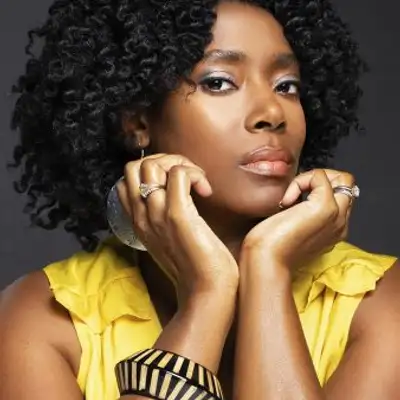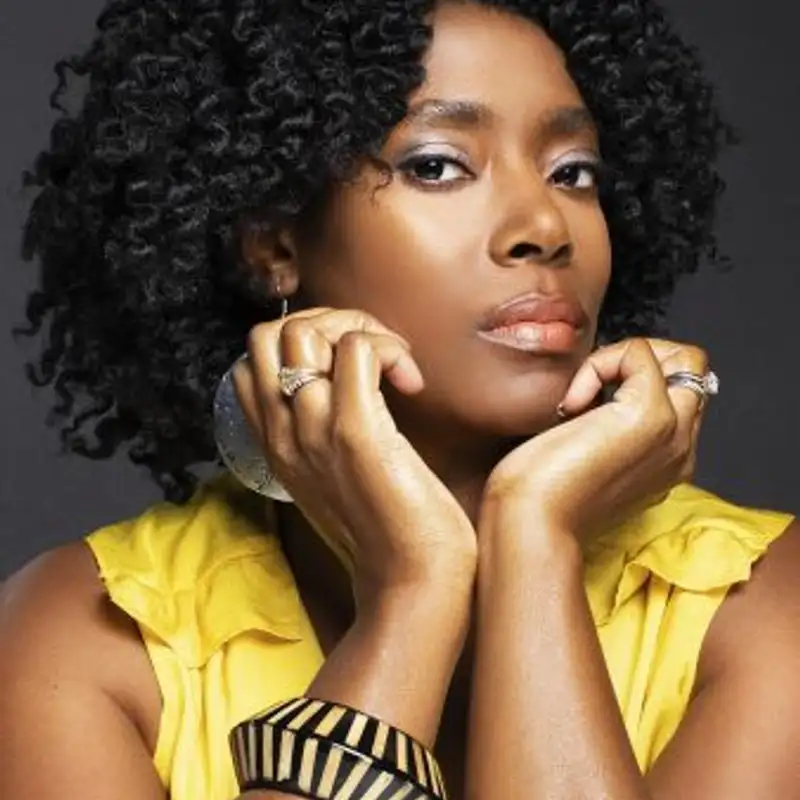
What They Fear You Might Learn! -- Nikesha Elise Williams & Taylor Murphy
00;00;00;00 - 00;00;33;15
Speaker 1
Hello everyone. Welcome to the Baldwin and Co podcast where stories aren't just told they are interrogated. And today's episode is an amazing episode. We feature our very own Taylor Murphy. She sits down with an Acacia Elise Williams to discuss in the Keisha's amazing book, The Seven Daughters of the Nketiah. She is an award winning author and cultural critic whose work centers black women's lives, history and doing doing power of storytelling and Taylor in the Keesha.
00;00;33;16 - 00;01;09;26
Speaker 1
They have a dialog that cuts straight through the myths we've been taught about America, history, and ourselves. It's more than a conversation about her book. It's a conversation about the stories that get pushed aside. The ones that challenge power, disrupt comfort, and refuse to be forgotten. The Keisha's novel, it spans 160 years of black womanhood. And in it, and in this conversation as well, they confront generational trauma.
00;01;09;28 - 00;01;41;02
Speaker 1
Silence passed down as protection in the radical act of telling the truth. In a time when truth itself feels under attack, they wrestle with these three questions. What does it mean to inherit a history you will never fully told? What do we, all the generations that come after us, truth, all protection? And what happens when a nation decides some stories are too dangerous to be told?
00;01;41;04 - 00;01;59;28
Speaker 1
These aren't easy questions, but they are necessary ones. Entail her and the Keisha. They discuss them here on this podcast. So as always, please like, subscribe and share this episode with at least one person you know. Enjoy!
00;01;59;28 - 00;02;06;16
Speaker 1
I am Nikita Elise Williams, the author of the historical fiction novel The Seven Daughters of Dupri.
00;02;06;19 - 00;02;22;27
Speaker 2
I'm Doctor Taylor Murphy and the book manager here at Baldwin and Co. I cultivate the inventory you see here, as well as connect readers with meaningful books. All right. Welcome to New Orleans and welcome to Baldwin and Co. I am honored and thrilled to have you sitting here with me.
00;02;23;03 - 00;02;24;20
Speaker 3
Thank you. Thank you for having me.
00;02;24;20 - 00;02;24;29
Speaker 1
I really.
00;02;24;29 - 00;02;25;17
Speaker 3
Appreciate it.
00;02;25;24 - 00;02;29;24
Speaker 2
Of course. And are you a frequent flier to New Orleans? First time. You know.
00;02;30;01 - 00;02;36;24
Speaker 1
I come here often. Have been coming here since I was born. My parents are originally from here, so this is like a second home to me.
00;02;36;29 - 00;02;38;28
Speaker 2
Amazing. We love the frequent fliers here.
00;02;38;28 - 00;02;40;14
Speaker 3
Enjoy it.
00;02;40;16 - 00;02;43;01
Speaker 2
This place, the city grips you and hold on.
00;02;43;02 - 00;02;44;26
Speaker 1
You never let you go.
00;02;44;28 - 00;02;45;28
Speaker 3
Yeah.
00;02;46;01 - 00;02;51;09
Speaker 2
Absolutely. So I have to dive into this book. I finished it in a night.
00;02;51;12 - 00;02;52;12
Speaker 1
Why?
00;02;52;14 - 00;02;58;07
Speaker 3
I'm still stuck there. Like I had, like, the audio book of 11 hours.
00;02;58;08 - 00;03;00;20
Speaker 1
And you finished it in a night?
00;03;00;23 - 00;03;01;17
Speaker 3
Yeah, well, I.
00;03;01;17 - 00;03;02;22
Speaker 2
Did, I, you know. Yeah.
00;03;02;25 - 00;03;07;00
Speaker 3
Yeah. You took breaks? No, I know.
00;03;07;05 - 00;03;18;22
Speaker 2
Sure did not. But it was so good. It was so gripping. The chokehold it had me in didn't lessen ever. And there was no, no good places that I was, like, put a bookmark in and set it aside.
00;03;18;25 - 00;03;21;14
Speaker 1
No way I can go to sleep or I can find out what happened.
00;03;21;15 - 00;03;23;20
Speaker 3
Or we could keep going.
00;03;23;20 - 00;03;24;22
Speaker 2
Let this train ride.
00;03;24;23 - 00;03;25;29
Speaker 1
Been there, been there.
00;03;26;03 - 00;03;45;10
Speaker 2
Yeah, it's the best. Books are like that. I, I adored it. So jumping in because I have to scream about this book. I mean, it was one of my favorite books. I, I mean, 20, 26 is early on, but it's going to stick with me for all of 2026. I think you got four. I don't think you.
00;03;45;12 - 00;03;55;09
Speaker 2
So we have seven generations, seven women, one curse. Talk to us about the courage and heart it took to structure a novel that spans 160 years.
00;03;55;12 - 00;03;58;20
Speaker 3
It was not the plan. If you had told me.
00;03;58;27 - 00;04;06;08
Speaker 1
When I started writing this novel that I was going to do what I did and cover 160 years, I would have called you a liar and said the truth wasn't in you.
00;04;06;09 - 00;04;11;11
Speaker 3
Okay. This novel was supposed to be such a simple story with.
00;04;11;11 - 00;04;28;11
Speaker 1
Just Tatiana and her mother, Nadia. It was supposed to be just about Tati trying to find her ish father. Not even estranged. He's gone. Absent absentee father. And, I listening to myself say that now I realize that that's.
00;04;28;11 - 00;04;31;13
Speaker 3
Not enough to sustain an entire novel. You need more.
00;04;31;13 - 00;04;44;27
Speaker 1
Than just that one mystery, per se. But it started with just the two of them and the grandmother, Gladys was always there in the background, with her surly and sardonic one liners just being messy, stirring the pot.
00;04;44;29 - 00;04;46;11
Speaker 3
And,
00;04;46;14 - 00;05;05;10
Speaker 1
I wrote a first draft with just the three of them, but really only focusing in on Tatiana's quest for her, father and Nadia's relationship with the father. And in the end of that first draft, there was always the line that Gladys says something. Something along the lines of, you know what happened to the light skinned women in the South?
00;05;05;18 - 00;05;25;13
Speaker 1
And I wrote past it, and I finished the first draft, and then days or weeks later, she was still lingering with me, and I asked myself the question, well, what happened to Gladys? Like, no, but for real. And so I had this vision of this woman in this white dress walking down a dirt road, and I knew it was Gladys, but I didn't know where she was going.
00;05;25;18 - 00;05;53;08
Speaker 1
And the vision got a little wider and I saw what was behind her. So I knew what happened to her. But it still wasn't a generational story. It was just this vision. And I was like, okay, well, what what does it go with? And so then weeks or months later, don't remember which, I was listening to a podcast and my dear friend and fellow author, Deesha Filia was talking about writing your best first line, based on a workshop that she teaches out of one of the stories in her short story collection, The Secret Lives of Church Ladies.
00;05;53;11 - 00;06;11;00
Speaker 1
And so, listening to her talk about this workshop, I then asked myself, you see, there's a theme here. I ask myself lots of questions. What is my best first line? And the first line of the novel that is in the prolog descended on me, and I knew what the story was. And that line is they cut off her head because she ran.
00;06;11;06 - 00;06;23;17
Speaker 1
And so in that moment, I knew I was going to deal with enslavement. And my first thought was, well, I don't want to write a whole book with all these other characters and then have to put it together. And I still have this first draft.
00;06;23;24 - 00;06;24;04
Speaker 3
Which is.
00;06;24;04 - 00;06;28;27
Speaker 1
Technically what I did anyway, but I don't think of it that way. You kind of have to trick your mind.
00;06;28;29 - 00;06;31;04
Speaker 3
To do hard things yourself. Yes.
00;06;31;07 - 00;06;49;23
Speaker 1
And so the way that I thought about it was, well, I'll just write these characters turning points. What's the moment in their life where they go from being one way to another? And I usually find with women, that has to do with either choosing to mother or something to do with the man is usually the biggest turning points in a woman's life, right?
00;06;49;26 - 00;07;19;13
Speaker 1
And so from there, I then conceived of all of these additional, characters, the additional daughters of the generations. And I began writing their stories literally backwards. And in my mind, it was like playing with short stories, because that's not my first form. My first form is always the novel. Like short story, writers amaze me. And so I started with Gladys, and then I went down the line until I got to the enslaved ancestor and then writing those five sets of stories.
00;07;19;18 - 00;07;38;12
Speaker 1
I opened my original first draft that had Tati and Nadia already complete, and then I opened a blank document and I braided them all together, chapter for chapter, trying to find the parallels between them, the similarities between them, some of the same struggles or insecurities that they went through until I came to the end.
00;07;38;14 - 00;07;39;16
Speaker 2
You are my hero.
00;07;39;17 - 00;07;41;16
Speaker 3
That is it.
00;07;41;19 - 00;07;51;21
Speaker 2
It's braided so tightly. It's impressive. It's beyond impressive, to be quite honest. And that first line, the first page girl is just in.
00;07;51;24 - 00;07;53;22
Speaker 3
It's just a paragraph. That's all you.
00;07;53;22 - 00;07;59;16
Speaker 2
Need. So much more to me is so much more than a paragraph. I will think about that. Oh, it's so good.
00;07;59;18 - 00;08;00;09
Speaker 3
I mean.
00;08;00;11 - 00;08;21;18
Speaker 2
Talk about hooking a reader. So, yes. So you chose to begin this story with a woman who ran from slavery and has her head cut off. That's not a back story. That is a declaration. That is a statement. Why is it essential to your readers that they know the Dupri women come from someone that rather run, or rather choose death over bondage?
00;08;21;20 - 00;08;49;02
Speaker 1
I think I think of that line and their lineage and coming from that in context of what it says about black people in America and enslavement in this country specifically. I think there is a myth and excuse me, that black enslaved people in the United States did not resist, did not rise up, did not long yearned for freedom and liberation.
00;08;49;05 - 00;09;11;16
Speaker 1
And we all also don't talk a lot about the rebellions that happened in the United States. We don't talk enough about the Stonewall rebellion. Most people know the names of Nat Turner and John Brown. And in the story of Harpers Ferry and things like that. But they don't know also about all the little ways that enslaved black people rebelled across plantations nationwide.
00;09;11;18 - 00;09;55;13
Speaker 1
Whether it was they slowed down their work. There's another novel that I love that's based on, the history of this plantation in Tennessee where the women held down the birth rate for 20 years. In 20 years, I think there were seven babies born. Wow. Right. And I think part of the reason that the myth exists that, you know, all the black people in United States were happy slaves is that once the international slave trade was allegedly banned in 1808 because we know ships still came in under the cover of night, that the way the enslaved population and the workforce that built the United States grew was through the family unit.
00;09;55;15 - 00;10;21;03
Speaker 1
And so in pushing the family unit on to enslave black people and trying to force them to form those bonds on the plantations, which is very different from, you know, the plantation stories of places like the Jamaica or Brazil or other places in the Caribbean or in South America, is that by forming these families, I think owners thought that, well, they don't want they don't want to leave their family.
00;10;21;03 - 00;10;41;01
Speaker 1
They wouldn't run even though they would tear apart the family at the drop of a dime, especially if it was to pay back a debt. So I think those myths exist. We don't talk enough about the rebellions and then just at a human level, thinking about humanity. Anyone who lives under under bondage, whether it's new or it's been the condition of their life since birth, longs for something different.
00;10;41;01 - 00;11;02;26
Speaker 1
They long to be in control of their own selves. They long for that kind of bodily autonomy. And that's something that we still see now, whether it's in in Gaza or whether it's in Venezuela or anyone that's living under a fascist dictatorship, which the United States is slowly falling into. So we all want to resist in sometimes death is better than living under bondage.
00;11;02;26 - 00;11;05;23
Speaker 1
And for that character, she was sure as hell was going to try.
00;11;05;29 - 00;11;40;04
Speaker 2
Yeah. And it reads all the generation of women. You can feel that through their characters, going into the structure of this novel, because it's very different. It's unique, and I loved it. This novel doesn't move necessarily chronologically through the seven generations. It jumps between time periods, and you're asking readers to kind of piece together this family history in the same way we learn about family history, you know, through stories and fragmentation here and there and revelations, why was this non-linear structure essential to this specific book?
00;11;40;06 - 00;11;59;03
Speaker 1
Well, I knew I was going to do a generational story. I knew I wanted to start with a contemporary story. Okay. And the reason for that is I, I've read a lot of historical fiction. I love generational stories, but they always take you from the top to the bottom. They always take you from 1600s.
00;11;59;20 - 00;12;02;10
Speaker 1
The land before it's time.
00;12;02;13 - 00;12;07;27
Speaker 3
Right. And then they bring and then they bring you to the present. But you know with the, the.
00;12;07;27 - 00;12;33;04
Speaker 1
Rise of ancestry and African ancestry in 23 and me and all these different websites people are actually looking for. Yeah, their lineage and their legacy now. And when you embark on that journey, when you embark on that journey, it's one it's not linear too. You often get stuck, especially black Americans. And you were starting with what you know now.
00;12;33;05 - 00;12;51;02
Speaker 1
And so I wanted to do that, and I wanted to show how difficult it is to piece history together with only a few generations who are still living. And it was partially inspired by my mother, who has been like trying to find our roots since the original roots came out in 1970.
00;12;51;05 - 00;12;55;13
Speaker 3
Right. Yeah, with Ben Vereen and LeVar Burton.
00;12;55;16 - 00;13;15;06
Speaker 1
And so being inspired by her journey and her frustrations of when she gets stuck and when she gets stopped at certain points in history. Made me want to really show what the difficulty is, and trying to put together a family story and piece together the knowledge that oftentimes really is lost to time.
00;13;15;13 - 00;13;37;22
Speaker 2
Yeah. I know when I was reading it, at times it was like, you know, connecting the dots and putting, you know, in my head, one generation here, another here. And at times when a story or fragment that you would, you know, give us readers little crumbs. When it clicked and when it was able to be put together, it was like a like jaw on the floor, like oh my gosh this is big.
00;13;37;22 - 00;13;42;21
Speaker 2
This isn't just a little fragment or a little revelation. This is huge. I loved it.
00;13;42;22 - 00;13;43;07
Speaker 3
Thank you.
00;13;43;09 - 00;13;50;02
Speaker 2
I, I loved it I'm glad it ended up being seven generations not just two characters. It's I've done.
00;13;50;03 - 00;13;53;02
Speaker 3
All my labor and paid.
00;13;53;02 - 00;14;13;16
Speaker 2
Off. But with that a big theme in this story I would say is generational trauma and more specifically silence. Each generation of do for women keep secrets from the next one. Does silence protect children and when do you think it steals their ability to know themselves?
00;14;13;23 - 00;14;32;27
Speaker 1
I don't know if silence ever protects children, and that doesn't mean that you have to tell them, like the full, unvarnished truth when they're three. But I do believe that, you know, once they get to to become of age and they ask questions, there is a way to answer them honestly and to eventually give them the entire truth.
00;14;33;02 - 00;15;01;15
Speaker 1
And so I think that those are two questions that I'm wrestling with in the novel, is specifically between mothers and daughters. But this can extrapolate to just families in general. What does one generation owe the next? Do mothers owe their daughters an explanation of their lives, of some of the lowest moments in their lives, of some of the more controversial or colorful choices that they may that would render them human?
00;15;01;15 - 00;15;33;10
Speaker 1
Not just parents or not just mom, right? And then to that end, what do daughters and what do children owe their mothers? What do they owe their parents? Do they owe their parents? Do daughters owe their mother? Mothers grace. And do they owe their mothers understanding? Was what I was trying to do with each character in every generation is to show that every mother try to do better than her own mother did by her, and sometimes it still was not enough.
00;15;33;17 - 00;15;35;15
Speaker 3
Yeah. Wow.
00;15;35;18 - 00;15;57;00
Speaker 2
Yeah, I know we we when we're young, you know, mom's superhero. She's on a pedestal we love and we don't. When I was little, I didn't think of my mom as a human. She was a superhero. She was the law. She was, you know, just this news, all of it. And then, you know, growing up, hearing stories of her in high school, and I was like, oh, my gosh, you're just like me.
00;15;57;00 - 00;16;07;23
Speaker 2
We're, you know, we're the same, you know? And it it feels good, you know, to be able to connect with, you know, your grandparents, great grandparents and mother on on that.
00;16;07;23 - 00;16;08;09
Speaker 1
Level.
00;16;08;11 - 00;16;30;11
Speaker 2
Specifically. But know that that is a great point of I not filtering information. You know, we're already in an age of, you know, some facts and history are being redacted. So, you know, if we don't get these stories from our parents, then you might not see them at all in other books or things like that. Yeah. So, wow.
00;16;30;13 - 00;16;57;06
Speaker 2
Great. Another theme that is also running rampant through this book is social justice. So colorism runs through this book like a womb that won't heal. You've written a novel where black women only give birth to daughters. No sons, generation after generation. What are you saying about black women surviving despite of or because of the absence of patriarchal protection?
00;16;57;08 - 00;17;00;26
Speaker 1
I didn't think about it that deeply. That is a very great question.
00;17;00;29 - 00;17;01;07
Speaker 3
I.
00;17;01;07 - 00;17;31;26
Speaker 1
Didn't think about it in terms of the absence of patriarchal protection. What I was really thinking about was will be now called present day, the black maternal health crisis, and how it truly came to be from that time period in the 1800s and the end before. And so the curse of the family, that they can only have daughters extends to I don't like this term, but perhaps the selfishness of the enslaved ancestor.
00;17;31;28 - 00;17;59;19
Speaker 1
And and and playing with that spirituality about you know, what she didn't get to have in life. None of her daughters will be able to have either. And they will only be able to have what she had, which was a little girl. So I'm playing with that in that sense. What what I was really wanting to do with the birthing class specifically, and the focus on Evangeline, and then later Emma as midwives, was the medical industrial complex.
00;17;59;25 - 00;18;25;18
Speaker 1
And the harm that is often been inflicted on the black bodies in general. And black women's bodies specifically in, birthing places, whether it's a hospital or a birthing center or whatever the case may be. And so by doing that, it wasn't that necessarily I'm trying to have a commentary about if we don't have patriarchy, we're going to live in this idyllic society because we know that's not true at all either.
00;18;25;21 - 00;18;26;18
Speaker 3
Right?
00;18;26;20 - 00;19;12;01
Speaker 1
But that I wanted there to be a consequence of that first line of the beheading, and I wanted the family to have to reckon with that. And then I also wanted to address again, the issue of the disparity in birthing rates in the United States and how institutional knowledge was prefaced over cultural knowledge that was carried by grand midwives in the antebellum South and up until a certain point within the 1900s, before, the medical system became very codified and another victim of white supremacy, it became very systemic that it then became a place of harm and a site of harm for many black birthing people.
00;19;12;04 - 00;19;33;28
Speaker 2
Absolutely. That's very interesting. I didn't see it as that way. That's. Wow. That's amazing. I definitely was just, you know, if men know. But yes, I could of your research and all of that definitely makes sense. And it shows in this book. And, you know, I was just maybe a little excited, but I.
00;19;34;01 - 00;19;34;26
Speaker 3
I mean, I will.
00;19;34;26 - 00;19;37;08
Speaker 1
Give you like the men were in the way.
00;19;37;11 - 00;19;38;18
Speaker 3
Like when I was writing.
00;19;38;18 - 00;19;41;24
Speaker 1
The novel and because I wanted to focus on the women.
00;19;41;26 - 00;19;42;28
Speaker 3
The men, some of the.
00;19;42;28 - 00;19;44;04
Speaker 1
Men were in the way.
00;19;44;06 - 00;19;44;15
Speaker 3
Yeah.
00;19;44;16 - 00;19;48;16
Speaker 1
So there are men in the book. There are some good men in the book.
00;19;48;16 - 00;19;51;13
Speaker 3
Yes. Not all of them, but there are some good men in the book.
00;19;51;15 - 00;19;54;09
Speaker 1
But for the most part, it's not about them.
00;19;54;11 - 00;20;00;26
Speaker 2
No, finally, it's not about that. And yes, we should show the record that there are good men in this book. Yes.
00;20;00;29 - 00;20;02;25
Speaker 3
Okay.
00;20;02;28 - 00;20;24;07
Speaker 2
And this book. Yes. It's historical fiction, but there's also a lot of contemporary relevance here. You know, we're living in a moment where black authors and black histories are under attack, banned in schools, removed from libraries. And you've written a book that traces black women's resilience from slavery to 2020. What do you say to the people who are afraid of these stories?
00;20;24;07 - 00;20;28;04
Speaker 2
Who are the ones taking them out of libraries, banning them from schools?
00;20;28;06 - 00;20;37;26
Speaker 1
The truth is much more gruesome than the fiction, first of all. And so, to be willfully ignorant to the truth of the United States.
00;20;38;01 - 00;20;38;22
Speaker 3
Right.
00;20;38;25 - 00;20;59;07
Speaker 1
And not the myth of the United States, the United States is great at marketing and branding and promoting our myths and our folklore. You know, we were talking earlier about liberation. And, you know, some people will go rah rah when they think about the quote, give me liberty or give me death. And it's in the mouth of a revolutionary.
00;20;59;10 - 00;21;30;15
Speaker 1
But you put that in the mouth of an enslaved black woman and now it's a mental illness. Right. So let, let's, let's think about the truth of the United States and what this country has always done and, and how it has always been and how it has always functioned for the people closest to hearts. So that's indigenous people, that's black people, that's Latin people, that's immigrant people, that's people who identify as LGBTQIa, plus as people who are disabled.
00;21;30;18 - 00;21;57;21
Speaker 1
Right. The United States has always been a very dangerous and different place for those groups of people. And now that that danger and that harm is affecting and infecting more people, there are more people being held closer to harm. You know, we're speaking today on January 30th is supposed to be a nationwide strike and ought to stand in solidarity with the Minneapolis protesters after the the killings of Rene Goode and Alex Bracey.
00;21;57;28 - 00;22;23;23
Speaker 1
Like, you know, now we're seeing other people being affected that were assumed to be safe. Yes, but the United States has never been a safe place because it is not safe for those closest to harm. It's never going to be safe for anyone. A rising tide lifts all boats. So in the context of books, it's easy to say, well, we don't need that or that talks bad about America, or it's unpatriotic, or you don't love your country or that's not true.
00;22;23;23 - 00;22;45;04
Speaker 1
And this, that and a third and continue to make myths about what the United States is. But that's not the fact. And if you go back and you read the facts, if you even read the Constitution, slavery and race and white supremacy is right there on the parchment, and the truth is so much more gruesome than anything I could conjure in my mind.
00;22;45;09 - 00;23;08;07
Speaker 1
And the fact that you don't want that some people don't want to reckon with that is a problem for them, because we're not forgetting and we're not letting it go. And as we continue down this road of ethnic erasure and cultural genocide really is what's happening with that. As we continue down this road, we're only going to repeat the mistakes of the.
00;23;08;07 - 00;23;08;25
Speaker 3
Past.
00;23;09;01 - 00;23;10;06
Speaker 1
Which we're seeing now.
00;23;10;07 - 00;23;37;22
Speaker 2
Yeah, history always repeats itself and it's awful. But yeah. Exactly. I mean, that's exactly the point. I mean, we're seeing it today, you know, differently than it's happened in years past. And it is a lot of propaganda behind, you know, the US, where now we see everyone has access to the internet and social media and is fed things every second of every day.
00;23;37;25 - 00;23;38;19
Speaker 2
And I just.
00;23;38;22 - 00;24;07;07
Speaker 1
And some of the mechanisms that fed into that propaganda were good programs. You think about USAID that was a propaganda program. You know, we were sending aid and foodstuff and resources to countries in need that helps to uphold the myth of America and to continue to perpetuate the propaganda that this is the greatest nation on earth, and that it's the land, it's the promised land, land of the free, home of the brave.
00;24;07;07 - 00;24;32;19
Speaker 1
All of that until you get here. Right? But now we are. We have dismantled our own propaganda. We are dismantling our brand as a place where democracy was birthed and where it, you know, held above all else. And I think people, as we are ripping the country down to the studs, we're seeing what its foundation was and that was white supremacy and that was fascism.
00;24;32;19 - 00;24;39;21
Speaker 1
And that was, you know, trying to make sure that not everybody had power and that wasn't just reserved for black people.
00;24;39;23 - 00;25;09;14
Speaker 2
Yup. Yeah. All of a sudden, doesn't feel like anyone's free and it's surely don't feel like home. Yeah. So, same vein, but in this book, every generation of do free women has had to construct their identity through fragments and secrets kind of passed down. What do you hope that young black readers take from seeing themselves in this genealogy of pain and power?
00;25;10;20 - 00;25;30;05
Speaker 1
That goes like intention of the novel. Okay. And I don't know that I necessarily had one besides writing the best book that I could so that people could. Yes. And I want someone to, like, take something from the story. But I think it's like, you take what you need, take what you need from the story. Leave what you don't.
00;25;30;08 - 00;25;49;14
Speaker 1
But at the end of the day, it's really about I want to care. Wanted people to feel like the characters held them. If you were going through something difficult in your life, if you use this book as a way to just get away from the world for a moment, because, you know, reading is one of the first forms of entertainment, right?
00;25;49;17 - 00;26;10;09
Speaker 1
I want you to feel like those women, these daughters were taking you by the hand and caring for you and comforting you and keeping you in a way that maybe you could not keep yourself alone. Because that's what they did for me in the writing of it. And then, of course, I think I said it earlier, you know, I want I think at the end of it is anything that people are wrestling with.
00;26;10;14 - 00;26;32;27
Speaker 1
I want the questions to be, you know, what do mothers owe their daughters? What do daughters owe their mothers? Do their mothers owe the daughters, explanation of their lives, of some of the lowest moments of their choices? Good, bad or indifferent? And then do daughters owe their mothers understanding and grace? Because I think, as we see in the novel, every generation try to do better by her daughter.
00;26;33;00 - 00;26;46;01
Speaker 1
But sometimes that wasn't good enough for the daughter. And that's real life. Like you could have done your best. As a parent, I have two children. I am doing my level best and that may not be enough.
00;26;46;04 - 00;26;56;20
Speaker 2
Yeah. What would you say to the the mothers that are, you know, can see that it might not be enough. You know, how how do you grapple with that?
00;26;56;23 - 00;27;00;18
Speaker 1
Therapy is a wonderful tool.
00;27;00;21 - 00;27;08;24
Speaker 3
Therapy is a wonderful tool because after a certain point we all groan. And so if there is something that you still have.
00;27;08;24 - 00;27;29;22
Speaker 1
Issues with or take issue with family therapies exist, you should be able to either reconcile or find some understanding or just come to an agreement. I know some people don't. And there's lots of talk these days about like adult children who are estranged from their parents because they can't get over the abuse and the trauma of their childhood.
00;27;29;23 - 00;27;44;13
Speaker 1
The parents don't like accountability, and I'm not negating those experiences at all. But for those who are willing to do the work for families who are willing to do the work and to really interrogate like, well, you know, you raised me this way. You were like this. This is how I feel about it. You know, therapy is a wonderful tool.
00;27;44;15 - 00;28;05;09
Speaker 2
It is it. I know it to. But I just hate the, the stigma around it, especially. I guess now it's gotten less of a stigma, at least therapy. But I know, at least for my parents and generation before that, I don't even think they would say the word therapy or anything like that.
00;28;05;09 - 00;28;20;21
Speaker 1
And I know in black communities, you know, it's been like, you don't need therapy, you need to go to church. Jesus is not going to cure it. All right. Whatever you practice, Allah, Buddha, they're not they're not they're not going to cure it all. Sometimes you might need to go sit on somebody's couch and unpair yourself. Yeah.
00;28;20;21 - 00;28;25;13
Speaker 2
And it's very cathartic and just get all that weight off.
00;28;25;14 - 00;28;27;10
Speaker 3
Yeah, it's it's cathartic.
00;28;27;10 - 00;28;52;12
Speaker 2
It's, it's needed for some time. So one more thing. Or few more. I should say that James Baldwin said not everything that is faced can be changed, but nothing can be changed until it's face. What does it mean for black people to keep creating life and beauty and family in a country that seemingly keeps pushing it down?
00;28;52;15 - 00;29;23;00
Speaker 1
Black culture is the blueprint. It is exported around the world. It is one of America's greatest exports. We think about, you know, this book spans 160 years. If you think about 160 years in music, the field hollers, the the, the hymnals, the spirituals, the songs that created the blues, created country, created rock and roll, gave you R&B and R&B gave you pop.
00;29;23;03 - 00;29;50;26
Speaker 1
Right? You know, that's black culture. It's in it. K-pop is a riff on black R&B, right? It's exported around the world. You think about dancing. And and drumming. And I talked about Stonewall Rebellion earlier in it's after Stonewall rebellion that drumming was outlawed in the United States because the call of the drum was used to organize black people for rebellion.
00;29;50;28 - 00;30;16;20
Speaker 1
That's something that comes from the continent of Africa. So you think about drumming. Drumming is now outlawed and banned. So now what do you have? You have your hands, you have your feet, you have hambone songs, you have tap dancing that comes out of that. You have so many different forms of culture that are prevalent today that start in those roots from 160 years ago or further back.
00;30;16;26 - 00;30;44;09
Speaker 1
Right. All of that is black American culture, the food. You know, there's a scene in the novel in the enslaved portion where, the midwife, Evangeline, is taking down the enslaved ancestors hair because she's only about 17 now, and she's un braiding her hair, and the shells and the seeds from Africa are falling out. And and when you think about food and you think about agriculture, you could always trace the migration of people.
00;30;44;14 - 00;31;03;12
Speaker 1
But we're starting ingredients end up in the food. I don't believe okra was indigenous to the United States until it came over. You think we're here in New Orleans? You think about gumbo. I remember writing a piece about gumbo years ago. The addition of sassafras leaves was from the indigenous tribes here that we now use as Philly.
00;31;03;15 - 00;31;36;13
Speaker 1
So when you think about culture and you think about black culture specifically in where it grows in a country that continues to oppress it, that just becomes the trigger for something new. That's how we got hip hop, right? Yeah. Is is out of the oppression of, of black people following the civil rights movement in the Black Power movement and the rise of the crack era, hip hop came alive and has been one of the most profitable and successful genres of music in the world.
00;31;36;16 - 00;31;56;17
Speaker 1
Right? Yeah. So our culture, yes, it comes from struggle at times, but we find the joy in it. We find the love and it even if it's just loving on ourselves while we cry. And you know, I see this now when on threads and the black side of the race, we can't be serious. So we.
00;31;56;17 - 00;32;02;05
Speaker 3
Joke about everything and it it's like, you know what it is you laugh to.
00;32;02;05 - 00;32;29;07
Speaker 1
Keep from crying. And so I think there's always this thought of this disconnect between black Americans because we don't have, a firm connection to the continent of Africa, or we don't have as strong as, cultural ties as maybe some people in other parts of the diaspora specifically like the Caribbean. But black American culture had to create itself a new to survive in this place.
00;32;29;13 - 00;32;33;04
Speaker 1
And what we've created has been copied and imitated the world over.
00;32;33;06 - 00;32;52;05
Speaker 2
Yes. Yeah. I mean, a hostile place. Yeah. Do you have any ideas on how to how someone could reconnect with Africa? You know, if they were to ask, like, yes. I don't feel connected how to go about that. You know.
00;32;52;07 - 00;33;08;28
Speaker 1
I don't know. I really I don't, I really don't know, like some people. There have been many different Back to Africa movements. You know, 2019 was considered the year of return. So many people made the sojourn to to garner to Nigeria. If that's something that you long for, go. I mean, that's the plane ticket is expensive though.
00;33;09;03 - 00;33;17;24
Speaker 1
And that's usually the barrier is. Yeah. You know, you know, once you get there that the U.S. dollar that you make will go far. But the plane ticket.
00;33;18;01 - 00;33;18;26
Speaker 3
Is, is.
00;33;18;26 - 00;33;42;23
Speaker 1
A barrier to entry. So if you can't afford to go, go. And if you can't afford to go but you still want to learn more, you can always buy a book. You can always read about. You can always go to the library and get a book from the library and read and learn. And if genealogy or ancestry and interest you, you can start on that journey too, by just talking to your elders, talking to the people who are still here.
00;33;42;29 - 00;33;49;09
Speaker 1
Go through the photo albums that your grandmother still has that your mother's still has. Don't swipe through the phone.
00;33;49;11 - 00;33;53;02
Speaker 3
Go through the photo album and.
00;33;53;02 - 00;33;53;28
Speaker 2
The black and white.
00;33;54;04 - 00;33;54;21
Speaker 3
Of.
00;33;54;24 - 00;34;04;03
Speaker 1
The black and white, the old ones with the sticky paper and find out the people's names and where they were from that week. That can be the beginning of the journey. Just talking with an elder.
00;34;04;07 - 00;34;20;01
Speaker 2
I agree, I agree. So you've spent years with these seven women, the seven generations. When you finally wrote the last page and shot that book, which do Pretty Woman stayed with you the longest? Who still haunts you.
00;34;20;04 - 00;34;22;03
Speaker 1
That well, none of them haunted me.
00;34;22;08 - 00;34;24;16
Speaker 2
Okay.
00;34;24;18 - 00;34;40;12
Speaker 1
They were around, and they lingered so much that when I did, when I even before I wrote the last line of the of the braided narrative, when I wrote all of their stories down to the enslaved ancestor, they went quiet in my mind, and I was like, oh.
00;34;40;14 - 00;34;44;12
Speaker 3
We've got more work to do. We're still come back. We are still.
00;34;44;14 - 00;34;45;27
Speaker 2
Clock back in.
00;34;46;00 - 00;34;47;22
Speaker 1
Yes, you are still on the clock.
00;34;47;29 - 00;34;48;23
Speaker 3
Come back.
00;34;48;23 - 00;34;50;26
Speaker 1
We have to put everything together.
00;34;50;26 - 00;35;00;21
Speaker 3
Just because I told the story doesn't mean it's in its final form. I'm back. Shape up. Right. So they did, thankfully.
00;35;00;24 - 00;35;21;01
Speaker 1
And we got here, I think. Yeah, I went through you know, those revisions before I ever got to my agent or my editor and my editor and I went through three rounds of revisions, and I even after the third round, she sent me another hey, one more thing. And I was looking through my files the other day and I saw it.
00;35;21;02 - 00;35;36;22
Speaker 1
She sent it to me at like 515. And I remember writing her an email okay I'll work on this, this weekend. And then when I was going out the next night and I was like, you know what? I don't want to be thinking about this. And I did the edits and I sent them back to her.
00;35;36;25 - 00;35;38;14
Speaker 2
Was this on your phone?
00;35;38;16 - 00;35;40;02
Speaker 1
Well, I can pull up the dropbox and.
00;35;40;02 - 00;35;41;11
Speaker 3
Show it to you, but no.
00;35;41;11 - 00;35;42;23
Speaker 1
I actually sent the computer and.
00;35;42;23 - 00;35;45;05
Speaker 3
Made the edits in three hours, three.
00;35;45;05 - 00;35;47;25
Speaker 1
To four hours and emailed them back to her and then texted.
00;35;47;25 - 00;35;53;16
Speaker 3
Her like, hey, hot potato, back in your inbox. I'm done. Ball's in your court.
00;35;53;18 - 00;36;03;28
Speaker 1
And and my editor and agent both said, like, they always come to the point in time where the author was like, I never want to look at this book again. Yeah. And that was it.
00;36;04;00 - 00;36;05;00
Speaker 3
And it.
00;36;05;03 - 00;36;17;12
Speaker 2
Oh my gosh. Yes. So was there a part of, oh my gosh, a character that was most difficult to write in this process or one that, you know, didn't come together as easily as the others?
00;36;17;15 - 00;36;20;08
Speaker 1
I was like, Gladys, this character was the most difficult to write.
00;36;20;08 - 00;36;22;07
Speaker 2
The messy. Yeah.
00;36;22;10 - 00;36;45;12
Speaker 1
Because reading her earlier chapters before you really found out her full story, you may not really like her, which I mean, is that my intention to write likable characters, my intention to write real characters. But, you know, she will rub people the wrong way until you find out what all happened to her. And the thing about it is, and she didn't tell her secrets either.
00;36;45;15 - 00;37;03;29
Speaker 1
And so for me as the author, even though I had the vision of the woman in the white dress, I knew what was behind her. I knew what her storyline was. I knew what it was going to be. It was still like she didn't want to tell me. It was. It felt like, you know, the story. So why do I have to tell it to you?
00;37;04;00 - 00;37;29;07
Speaker 1
You already know what happens. And so you see that in her chapters where there's this fixation on the difference between hearing and knowing of, you know, overhearing something and knowing something as incontrovertible fact, as one of the lines from the book and how they treat how the family of women treats Gladys father, and how Gladys even tries to treat her husband, Eugene.
00;37;29;09 - 00;37;57;20
Speaker 1
She doesn't want to tell him and the other women and Gladys, his wife, did not want to tell her father, but it wasn't like they both knew. And so Eugene flat out says, you think he doesn't know? And yes, I heard, but I want to hear it from you. He forces her to reckon with what has happened and to process it and to tell him and to create that kind of intimacy, but also to create that kind of trust.
00;37;57;27 - 00;38;11;29
Speaker 1
And it took me a good while to find that with her character and to write it. And when I did unlock it and when I did find it, what was so great about it is that because the generations are kind of tight.
00;38;12;04 - 00;38;14;02
Speaker 3
To to have them all.
00;38;14;02 - 00;38;40;16
Speaker 1
Kind of alive around the same time, and Gladys is scenes her mother, grandmother and great grandmother are there. So that's it's Gladys, Ruby, Judy and Emma. They're all there together, and you see them talking to each other and talking around secrets and acknowledging what happened that may have contributed to what happened to Gladys. And I think Emma says, I hope you know your mess when you see it's a juvie, right?
00;38;40;18 - 00;38;47;20
Speaker 1
And so, yeah, she was hard to to crack, but once I did it, she was an entry into everybody else.
00;38;47;21 - 00;39;09;27
Speaker 2
Yes. And as you brought up, yes, there's Gladys and then three others all talking in secret. And I wanted to commend you because when in some books, when that happens, it's hard to distinguish who's talking. But you made each character very different. Like their voices were different in my head when I was reading them. And that doesn't happen very often.
00;39;09;29 - 00;39;31;06
Speaker 2
I get confused you know, but each one was very disturbing. And I, I don't know how you did it, other than you're just a superhero. Of course. But yeah, I especially when. Yes, the five of them were on one, you know. Yeah. And they were all different. They were all. Thank you. Oh my God. Of course.
00;39;31;08 - 00;39;36;23
Speaker 2
So I know after I finished reading because I read it in one night.
00;39;36;25 - 00;39;39;00
Speaker 3
That no judgment that.
00;39;39;00 - 00;39;54;02
Speaker 2
I stared at, you know, the ceiling for a while. You know, processing being a little sponge, looking at it. And I just needed a break when you finished. Did you. Are you taking a break or you were going to write some more? What was. You know.
00;39;54;04 - 00;40;16;29
Speaker 1
This novel was so urgent because I mentioned I think it was off camera, but, like, you know, I started off as a self-published author, and I started writing my very first self-published book in 2013. And, from that point in 2013, I had always wanted to be traditionally published, wanted the, you know, the agent, the editor, the big deal, all the things that every writer wants everywhere.
00;40;17;01 - 00;40;34;25
Speaker 1
Yeah, right. And so at the time that I was writing this novel, I was not signed to an agency. I'd never had a major book deal or anything like that. And so I was writing it with that goal in mind. But all I was just trying to get was the agent, because I didn't know how long anything would take.
00;40;34;25 - 00;41;02;21
Speaker 1
Okay. And when I got the agent and then we went on submission and sold it. It was at the same time that I was still trying to apply for other, like, writing residencies and fellowships and workshops, just to maybe have some more things under my belt and resume. And so I remember I the, the book sold in May of 2023, and I had gotten into a workshop for the can can build your fiction fellowship that was going to be that July.
00;41;02;27 - 00;41;15;26
Speaker 1
And one of the stipulations was that if you have a piece of work that is now in the publishing industry, we don't want you to workshop that. We want you to start something else. So I, I had I applied to.
00;41;15;26 - 00;41;17;15
Speaker 3
Can Cambio with.
00;41;17;16 - 00;41;37;23
Speaker 1
A section from seven daughters but then seven daughters. So so I had to start something else. And so I began writing a new novel in June of 2023, May June of 2023. And so I am about halfway through the second draft. I say this all the time. I hope to.
00;41;37;23 - 00;41;41;07
Speaker 3
Get get it completed this year.
00;41;41;10 - 00;41;50;29
Speaker 1
And so I have that book that I'm working on. And then there's another idea that that's percolating, that's just waiting on me to get finished with the one I'm working on now. So that you can take my full attention.
00;41;51;00 - 00;41;57;11
Speaker 2
Yeah. No. That's whoof. And we're early in the year, so it could it couldn't finish by the end.
00;41;57;11 - 00;42;02;27
Speaker 3
I could see. It is it is a it is a loose goal.
00;42;02;29 - 00;42;10;26
Speaker 2
A moving target, a loose goal. So are the next one. Do you think you're going to take in the historical fiction realm?
00;42;10;28 - 00;42;18;23
Speaker 1
So this was my first historical fiction novel, ever the part. Yeah. All of my, self-published novels were contemporary stories.
00;42;18;27 - 00;42;20;07
Speaker 3
Okay.
00;42;20;10 - 00;42;27;19
Speaker 1
The one I'm working on now is contemporary, but the one after that is historical. So I just may go where the words take me.
00;42;27;21 - 00;42;30;15
Speaker 2
Yeah. Where are the notes that goes? I love.
00;42;30;15 - 00;42;32;06
Speaker 3
It wherever the notes app.
00;42;32;06 - 00;42;40;02
Speaker 2
Goes. Well, I love it, and I am I'm stoked to read the rest of your books. I, I wish I could just read your notes up now. I'm sure.
00;42;40;05 - 00;42;44;05
Speaker 3
I'm sure an unedited genius like.
00;42;44;08 - 00;42;51;07
Speaker 2
Well, thank you so much for coming. And thank you for being at Baldwin and Co and in New Orleans. I really appreciate it.
00;42;51;09 - 00;42;58;01
Speaker 1
It was so great to be here. This has been a dream since the store opened. And I saw and I was like, I want to do something there.
00;42;58;03 - 00;42;59;22
Speaker 3
So here you are, here I am.
00;42;59;23 - 00;43;00;23
Speaker 1
Thank you for having me.
00;43;00;23 - 00;43;01;15
Speaker 2
Of course.
00;43;01;15 - 00;43;28;29
Speaker 1
Thank you for spending time with us and for being a part of the Baldwin Co community. Every listen helps to keep the conversation alive. So thank you for listening. And if you believe in the work that we're doing, building literacy, nurturing curiosity and investing in our city, please, please, please consider supporting to the Bone and Co Foundation. You can go on to that Bco foundation at org.
00;43;28;29 - 00;43;48;19
Speaker 1
You can make a donation or you can just go to WW Baldwin or call books.com. You can follow us on our socials just at Baldwin and Company. So make sure you follow us. Check us out, subscribe. If you want to watch the video portion of this podcast and all of our podcasts, definitely check out our YouTube channel.
00;43;48;20 - 00;44;10;01
Speaker 1
It's just Baldwin and co on YouTube. Put it in the search and it'll come right up. So thank you so much. Please. Your donations, a few, programs that open doors our kids and our neighborhoods. And, when you're ready for your next great read, make sure to visit us online at Baldwin and Co. Every book you buy to help us just keep the movement going.
00;44;10;06 - 00;44;28;14
Speaker 1
If you're in New Orleans, make sure to stop by. Our address is 1030 Legion Fields Avenue. Come by and check us out. Get a good book, hang with us, get a good cup of coffee, and, look forward to seeing you. Have a good one.
Creators and Guests