One of The Most Haunting Stories of Modern Day Police Corruption - Jared Fishman
00;00;00;00 - 00;00;21;12
Speaker 1
Hello! Welcome back to the ball on a cool podcast. I am DJ Johnson. I am the CEO and owner of Baldwin The Co. We are a bookstore coffee shop located here in New Orleans. If you haven't been, you are missing out. Make sure to come check us out whenever you in the city. We're open seven days a week from 7 a.m. to 6 p.m..
00;00;21;14 - 00;00;50;23
Speaker 1
Serving intellectual stimulation every single day. On today's podcast, we have a fantastic show. Is is a haunting, disturbing. I mean, just just it informative. It is a story about power, silence, corruption and what happens when the people sworn to protect the city become the very thing its citizens fear? So, of course, we're talking about the police.
00;00;50;25 - 00;01;22;06
Speaker 1
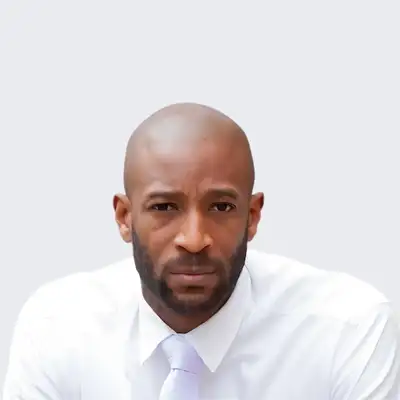
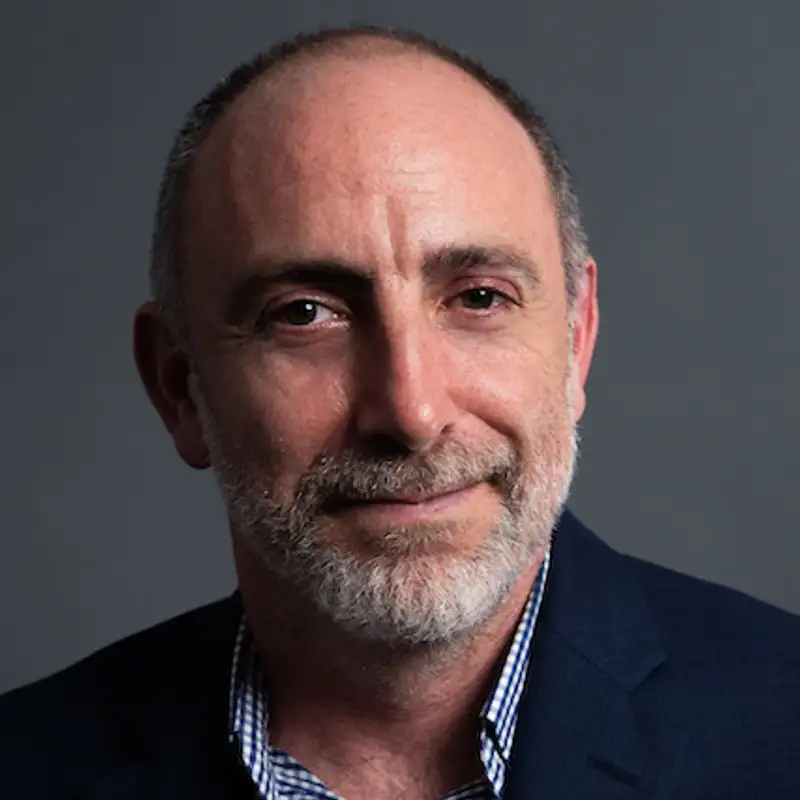
We have former Department of Justice, civil rights prosecutor and author Jared Fishman. He sits down with Judge Calvin Johnson, to discuss his book, fire on the levee, and they unpack the haunting story behind the Henry Glover case. After Hurricane Katrina, it's a case involving police violence, cover ups, burned evidence, missing truths, and a justice system push to its breaking point.
00;01;22;09 - 00;01;48;28
Speaker 1
Jared, who is a former DOJ prosecutor who investigated police misconduct cases across America, he takes you through the, the intricacies of this case, and it is one of the most probably, I will say, the most explosive corruptions investigations in modern New Orleans history. It's a conversation about
00;01;48;28 - 00;02;01;06
Speaker 1
The blue wall of silence and, systemic corruption and just the terrifying question of what justice actually looks like when institutions fail.
00;02;01;06 - 00;02;20;08
Speaker 1
So listen closely. Some stories, they aren't history lessons. They're warnings. And I think this is one of them. So, as always, please like, subscribe, give and share with at least one person you know. I enjoy.
00;02;20;08 - 00;02;46;04
Speaker 2
Wow, this is it. This is going to be a great evening, and we're going to have a really wonderful conversation about about Jared's book. And we'll be dropping you a book about Jervis, about a children's book. We're going to have a great conversation, about it. Our marriage essay, though, is just so true that if we don't hold on to history, we are going to repeat what we forgot.
00;02;46;06 - 00;03;19;25
Speaker 2
And so we need to hold on to it. We absolutely need to hold on to it. To read this book is to get us back to where we was. And it and it literally it can it will literally tells us, where, where we can be again and they can be again. And Mary is absolutely correct. So let's start Jared with we try to to get us to where you were in 2009.
00;03;19;27 - 00;03;30;07
Speaker 2
I think that's the point in time when you actually get that folder that is, is that that file from, from your bosses at DOJ.
00;03;30;10 - 00;03;50;11
Speaker 1
Yeah. In 2009, I was a young civil rights lawyer. I had been doing this work for about two years, mostly traveling around the US, doing a lot of cases of abuse, taking place in jails and prisons around the country. And I wanted something different. I felt like I was ready to, to take on one of the police departments.
00;03;50;12 - 00;04;10;08
Speaker 1
I was ready to do a big investigation. And my boss, Bobby Bernstein, who was also the lead prosecutor of the Danziger, prosecutions, she came to me with a very thin file that had only the basis of allegations at the time. And she said, I don't know if there's anything to this, but at least you get to go down to New Orleans.
00;04;10;09 - 00;04;13;24
Speaker 2
So what was what was in the file? What was in the file?
00;04;13;24 - 00;04;32;26
Speaker 1
In the file? We had two things at the time. We had an article that had been written by A.C. Thompson. A.C. Thompson was a ProPublica journalist who would come down in New Orleans and the aftermath that, of the storm. And he was curious. And all of the bodies that they didn't know what happened to. He was looking at what happened to a lot of people.
00;04;32;28 - 00;04;57;01
Speaker 1
He had come across the autopsy of a man who, many months after the storm, had been identified as Henry Glover. His body had been burned, in a car behind a levee in Algiers. And he began looking into what happened to this man. At the time, he didn't really know a whole lot. But what he did know was that this man had last been seen in the custody of the New Orleans Police Department.
00;04;57;04 - 00;05;01;24
Speaker 1
And he suggested that if anyone wanted to find out, that's where they should start looking.
00;05;01;26 - 00;05;04;28
Speaker 2
Wow. And you you. Then this is DOJ.
00;05;05;01 - 00;05;07;12
Speaker 1
Yeah, us, DOJ, civil rights division.
00;05;07;12 - 00;05;09;29
Speaker 2
And you had been there what, a year or.
00;05;09;29 - 00;05;11;17
Speaker 1
Two that year, maybe two.
00;05;11;17 - 00;05;36;28
Speaker 2
Years. Two years. And let's let's get before the let's go before that. You you had done some other kind of stuff that was, I think, kind of unusual in terms of a path to, to there you had been and, and, some war, zone areas. You had done some other kind of crazy stuff to get you to DOJ.
00;05;36;29 - 00;05;37;22
Speaker 2
Talk some about.
00;05;37;22 - 00;06;04;24
Speaker 1
That. Yeah. I mean, the reality is I never intended to be a prosecutor. I didn't really ever intend to be a real lawyer. I had spent my my post-college days working in conflict zones. I started off in the Middle East. I did work in Bosnia Herzegovina. I did work in Rwanda. And for me, one of the reasons why I went to law school was that I wanted to understand why war happened.
00;06;04;28 - 00;06;42;03
Speaker 1
What would it take to make peace? And what would it take to prevent communities from collapsing into war in the first place? So I went into law school. I got my dream job. Afterwards, I worked at the U.S. State Department, and immediately started working in Kosovo on rebuilding their legal system after the war. I was traveling around working with the Kosovo police, working with the U.N. police force that existed at the time, and as I was driving through the countryside with, a friend of mine who was at the U.S. Attorney's office and had been working in Kosovo, and he says, yeah, I understand that you like this justice reform stuff.
00;06;42;04 - 00;07;04;25
Speaker 1
I didn't understand that you want to work on these systems, but if you're ever going to be effective, what you need to do is go work in the system for a little bit. And he told me that I should go be a prosecutor. Now, they said, like being a prosecutor was the last thing on my mind. The idea of sending people to prison was one of the last things that I ever wanted to start in my career doing, and I told them, listen, I can be a prosecutor.
00;07;04;25 - 00;07;26;10
Speaker 1
I'm a I'm a civil rights guy. And he looked at me and he said, if you really care about civil rights, you have to be a prosecutor because they're the ones with all the power. And I never thought about it that way before, but I was intrigued enough, to go, I did a rotation at the U.S. Attorney's office in DC, and much to my surprise, I was.
00;07;26;10 - 00;07;46;20
Speaker 1
I was pretty good at it. I definitely, did not expect that to be my career choice. But as I was in the DC courthouse day in and day out, a few things really struck me. Everyone in that courthouse was black or brown. Every person in that courthouse was in the bottom quartile on the socioeconomic scale.
00;07;46;22 - 00;08;01;16
Speaker 1
I saw tons of mental health issues. I saw tons of addiction issues. And it began to occur to me that if I was going to use this power of the prosecutor, I wanted to do it on behalf of marginalized communities. And I wanted to investigate law enforcement.
00;08;01;19 - 00;08;31;10
Speaker 2
You you saw marginalized communities, though, before that you did. You did. You did a stint, in Israel. But let's go back. Let's go back, back further than that. You grew up outside of Atlanta in a nice little community, basically all white. Yeah. And by the time high school, you finally was in a in an integrated, really innovated environment, somehow integrated about.
00;08;31;12 - 00;08;55;04
Speaker 1
Yeah. And it was and not only was it why it was a white Jewish environment. So virtually everyone I grew up with had similar worldviews. It never occurred to me that people had different experiences or saw the world differently because everyone I knew kind of thought the same way. And then I wound up in a public high school in Atlanta, Georgia, where half the students were white and half the students were black.
00;08;55;06 - 00;09;12;24
Speaker 1
And quickly began to realize, wow, that a lot of people have very different experiences. A friend of mine was shot, after a basketball game. Brandon Williams, Brandon Williams yeah. And yeah, no one ever solved what, no one ever solved that crime. And I think it stuck with me for many years.
00;09;12;27 - 00;09;37;09
Speaker 2
Obviously it did because you put it in your book. Yeah. Yeah. This is stuck with you. Come on. That stuck with you. The fact that Brandon Brandon gets killed and there is no there is no justice that counts. There was. Brandon. The same thing happened with you today. It is ACL. And I still see you. Yeah. Before we talk about the seal and what happens to a seal.
00;09;37;11 - 00;09;42;02
Speaker 2
But it wasn't the seeds of peace. Yeah. Explain seeds. Peace.
00;09;42;04 - 00;10;16;15
Speaker 1
So you know as I mentioned yeah I think for me I wouldn't have been able to say this back in real time, but I think for, for for young people who are trying to figure out what to do with their lives. For me, I just I wanted to answer big questions. And the question that I was really interested was, was about war and peace and, there was this great organization called Seeds of Peace that brought together teenagers from conflict zones, and they would bring them from wherever their conflict was, mostly Israelis and Palestinians, but also kids from the Balkans, kids from Cyprus.
00;10;16;18 - 00;10;48;16
Speaker 1
And they brought them to Maine, at a summer camp, which is like a real classic American summer camp. You're living in bogs, you're swimming in the lake, you're playing capture the flag. But also every day we would spend two hours talking about the conflicts that had torn apart their lives, about history, about power, about the harm that each of them had faced with this idea that if we could live together, if we could be proximate to each other, if we could begin to listen and make one friend from the other side, and perhaps we could solve some of these conflicts.
00;10;48;19 - 00;11;03;11
Speaker 1
So I did that for for a number of summers while I was still in university. And when I graduated, I said, yeah, all my friends were going off to be consultants and bankers and attack. I said, no, I'm going to go live in the Middle East and try to see.
00;11;03;11 - 00;11;10;02
Speaker 2
You go to go to Morocco. I want to I want to go. You will go to Morocco. Exactly. Yeah. Yeah, yeah.
00;11;10;09 - 00;11;14;10
Speaker 1
And I and and it was, it was, it was life changing.
00;11;14;12 - 00;11;26;10
Speaker 2
For it was life changing for, for reasons. One of those reasons was a truck. You end up in the back of a truck with some guys who you who you can't speak to, and they can't speak to you.
00;11;26;13 - 00;11;43;20
Speaker 1
Yeah. I was, you know, back in those days, everyone had Lonely Planet's, you know, and I had my Lonely Planet, and I. There was this there was this place, like, the deepest cave in North Africa. And I was like, well, I need to check that off my list. Like, this caved in or that or so I went.
00;11;43;20 - 00;12;07;14
Speaker 1
And, you know, I had done this, this hike and, you know, at the end of it and like, I didn't have any water, I didn't have any food. So I, I hitchhiked to a nearby village and, I was totally petrified because I'm this Jewish kid. I don't know where in this Arab community. And I ask him, like, can you can you take me to the nearest restaurant?
00;12;07;14 - 00;12;28;10
Speaker 1
And the guy kind of laughs at the under his breath and brings me to this palm tree and sits me down and leaves, at which point I'm like, what am I doing here? And then a few minutes later, he comes back with some freshly baked bread and some sweet mint tea, and he says, Ireland masala. Which is translates to you're with your people.
00;12;28;10 - 00;12;41;09
Speaker 1
So feel at ease. And I think from that point that began to really make me rethink, a lot of what I been taught and how I'd grown up and become very curious and understanding more about different people.
00;12;41;11 - 00;12;53;05
Speaker 2
You mentioned a young man whose name was mispronounced seal, a seal. You made him know it's seeds of peace, didn't you? Yeah. But then you meet him again with.
00;12;53;07 - 00;13;14;29
Speaker 1
Yeah. So, seal was one of our campers. He had been coming to Maine, and he was just, really bright teenager. He was a Palestinian. Israeli, meant that he was an Israeli citizen, but he was a Palestinian by origin. And the Palestinians who lived in the West Bank and Gaza and then Israelis. And he was this bridge.
00;13;14;29 - 00;13;33;10
Speaker 1
He was he was the kid who really did make one friend from the other side, except for he made like 100 friends, really bright kid and, you know, got to spend time with him not only in name but also in the Middle East. And then, in 2000, when I was still living there, the Second Intifada broke out.
00;13;33;10 - 00;13;56;11
Speaker 1
So when I started working in the Middle East, it was still the tail end of the peace process, which, whenever I talk about that these days, seems incredibly far ago. But I will remind everyone that there was once a time, when peace seemed almost inevitable. And, and I, tober of, of 2000, the seal, that that all began to fall apart.
00;13;56;11 - 00;14;11;06
Speaker 1
And there were a number of protests that happened around, Israel on the West Bank and Gaza. And the seal was, one of those protests when he was chased down and killed by a police officer. And,
00;14;11;08 - 00;14;19;27
Speaker 1
There was some degree of an investigation. I think it's fairly clear what happens. But no one was ever prosecuted or held accountable for that.
00;14;19;29 - 00;14;29;00
Speaker 2
They actually found, that, in fact, he was murdered. I think they found that, didn't he? Yeah, but he didn't prosecute anyone.
00;14;29;02 - 00;14;50;05
Speaker 1
Witness the witness testimony. That was really never contested by the police. And and we had always thought, of course they're going to say that he was violent at the protest. He was throwing stones. Whatever. Whatever justification. I think what surprised me more than anything was that was not what they said. In fact, all signs pointed to him being shot in the back of the neck, chased and beaten.
00;14;50;10 - 00;14;57;16
Speaker 1
And then when he was trying to get medical help, his ambulance was was kept from going to the hospital and he he was dead on arrival.
00;14;57;22 - 00;15;23;28
Speaker 2
Some of those things you've talked about is the reason you're on the stool. Some of those things that's how you got here is because of a single random. That's how you got here. Because the rules people in Morocco, it those things caused you to think differently, didn't he?
00;15;24;01 - 00;15;25;21
Speaker 1
Absolutely.
00;15;25;24 - 00;15;36;10
Speaker 2
You you then again, now we're back. Let's get back to 2009. And you have that file folder in your hand. What were your next steps?
00;15;36;13 - 00;15;59;20
Speaker 1
I my, my first step was to call the FBI in New Orleans. And there was an amazing rookie FBI agents, Ashley Johnson. She was not your typical FBI agent. At least not I had met them over the course of my career. Young black woman, social worker, and wound up, in New Orleans. I think it was.
00;15;59;20 - 00;16;26;18
Speaker 1
She had to rank all of the places that she wanted to work with the FBI. I think New Orleans was, like, 48 on her list, and and she she got assigned to work down here. So my first call was to her and she had recently come into contact with William Sander, who I imagine we'll talk about next. And William Tanner had gone to the FBI trying to seek compensation for his car, which he said had been burned by the police.
00;16;26;18 - 00;16;48;10
Speaker 1
And, Ashley, began to to look into it. And she said, I'm I'm interviewing William Tanner next week. You should come down. And so I flew down to New Orleans. Yes. I don't know how many of you were here in New Orleans back in 2009, but it was definitely a different place, like landing in the airport. This time I was like, this is definitely not New Orleans.
00;16;48;13 - 00;16;53;03
Speaker 1
And, but we began we began trying to figure out what happened.
00;16;53;06 - 00;16;58;18
Speaker 2
So you this is your first trip. Now this is the last, but this is in 2000 and.
00;16;58;18 - 00;17;00;19
Speaker 1
Nine, 2009, February.
00;17;00;19 - 00;17;11;24
Speaker 2
And you and Ashley and you, you start this. This process becomes a process that will last for to trial date for what?
00;17;11;27 - 00;17;14;04
Speaker 1
That 18 months of investigation and.
00;17;14;04 - 00;17;27;05
Speaker 2
Months, almost two years without investigation. You describe in you in your book, you use a, an an analogy, I guess, peeling the onion. Well, that's peel the onion. Me what it is peel here.
00;17;27;07 - 00;17;45;21
Speaker 1
So the the idea is that you want to start at the outside and you work your way in, and particularly when you don't know what happens, you're trying to meet people who you think are going to tell you the truth. In a case like this, you had to do it that way. But before we could even peel the onion.
00;17;45;21 - 00;18;10;10
Speaker 1
I mean, the reality is, is I love A.C. Thompson. I think his article broke everything way open. But if you go back and you read that article, we didn't know the name of a single police officer who was not only involved, but who might have been on the scene. There were no witnesses. So we had to start digging in and trying to find the names of people who might know something.
00;18;10;12 - 00;18;34;23
Speaker 1
We initially found out that. And when we when we normally do a police investigation, the police produce an inordinate amount of paperwork normally. Right. You've got reports, you've got car logs, you got radio calls. But since the crime took place during Hurricane Katrina, we didn't have any of that. We didn't have, Ashley starts trying to pull paperwork.
00;18;34;26 - 00;18;56;03
Speaker 1
No paperwork comes up. We try to figure out, are there any radio logs now, the way the radio system was set up? But one thing that we did know was, So we got a list of everyone who was paid. Now, even that wasn't a very good list, because we know people were paid who weren't here. And we knew people, who were here, weren't paid.
00;18;56;06 - 00;19;24;22
Speaker 1
And so we had this list, and we began trying to work our way down the list. Now, what we knew, because we had spoken to William Tanner, and we spoke, to Henry's brother and family, was that the allegations against them? That it was mostly white officers who were involved. So we began trying to talk to black officers, hoping and particularly others, black officers who had left the police force, with the hope that maybe we'd get to truth a little bit faster going that.
00;19;24;22 - 00;19;43;03
Speaker 2
Route, which is which was decent. Denise Bank. It had no water. It didn't have any flooding on it on the West Bank, no flooding. Right. And it is it's where the word the fourth it had, was, was the district was the fourth.
00;19;43;06 - 00;19;44;06
Speaker 1
Fourth district. Right.
00;19;44;07 - 00;19;46;24
Speaker 2
They did it. There was also so they had moved there.
00;19;46;26 - 00;20;12;07
Speaker 1
Right. So. And so these headquarters flooded, on the east bank. They moved and set up shop. And so we had really two different parts of the police force operating in Algiers, the regular fourth district police units, but also as a DEA. And for those of you who don't know, Soddy, they're like the Swat team, they're in that, citywide unit, all sorts of things.
00;20;12;10 - 00;20;16;16
Speaker 1
And at that time, they were mostly doing search and rescue work.
00;20;16;18 - 00;20;37;11
Speaker 2
The only person you had, you had at that point, as you shared, was William Tanner, the only person you had that could give you any kind of insight as to what actually happened to Henry Glover. Was William Tanner. How did that first in at first, I mean, well, you can't really tell. How did it go?
00;20;37;13 - 00;20;58;18
Speaker 1
I will I don't know if any of you ever seen an interview of William Aaron. I mean, I feel like as much as I've written and thought about William Tanner, I know that anything will never do justice. William Tanner was stayed in New Orleans for the storm because he said he was an adventure type person, and he wanted to see what a hurricane felt like.
00;20;58;21 - 00;21;15;26
Speaker 1
And in the days that the storm came, he's standing out there with his camcorder trying, you know, pretending like he's a weatherman, trying to capture the storm. But I think a few days after the storm began to realize, like, okay, I gotta get out of here. The city is. This is not the same. Electricity was off. Water was off.
00;21;15;28 - 00;21;41;12
Speaker 1
Help wasn't coming. So William Tanner was was then trying. Was then trying to get out of the city. And William Tanner is this guy who is, we ultimately call him the Good Samaritan. And I think that really does him justice, because William Tanner is the guy who would just stop and help someone, including a guy who was shot laying in the street begging for help, even though he didn't know him.
00;21;41;14 - 00;22;06;01
Speaker 1
And so that's what happened to William Tanner. William Tanner was driving through the streets trying to find gas that we could get out of New Orleans. When there, he was flagged down by by Henry Glover's brother. So you got to help my brother, and he stops, and he picks out Henry Glover and Henry's brother and Henry's brother in law, and they get in the car and they began to go look for help.
00;22;06;03 - 00;22;34;15
Speaker 2
He, though, is the only person you actually had initially, and he is the person who starts to talk to you about Nopd. Yeah, he's the guy. Absolutely. So from there, you you start this, this onion peeling more or less. You still had this onion. You look at the onion and you start to peel it. What again steps did you take?
00;22;34;17 - 00;22;57;01
Speaker 1
Well, I mean, the first thing that we're trying to do is find anyone who knows anything. So we're talking to the Glover family. Talking to William Tanner. William Tanner is giving us names, so we're talking to other civilians. And then at the same time, Ashley is trying to develop sources inside an OPD, trying to figure out, is there anyone on the inside who's going to give us any, any clues as to what happened?
00;22;57;03 - 00;23;03;16
Speaker 2
If you mention the global family, talk some about the global family.
00;23;03;19 - 00;23;15;28
Speaker 1
And they they lived in Algiers. They had spent, and spent Henry grew up there, grew up in,
00;23;16;00 - 00;23;17;17
Speaker 2
In the in the fishing.
00;23;17;20 - 00;23;22;24
Speaker 1
In the fishers. Thank you. Has blank. I was blanking on the name. It's been too long, but. And Fisher.
00;23;22;24 - 00;23;26;08
Speaker 2
Fisher in the Fisher projects is where they are. Yeah, yeah.
00;23;26;08 - 00;23;57;07
Speaker 1
And, you know, grew up, grew up there and I think particularly in that in that era, you know, when he was, when he was a baby was when was, when the Alger seven case out in the trees and sister was, I believe eight years old at the time. She tells the story of, of being at home when the police are coming around banging on doors and there's a little baby Henry at 1 or 2 years old, hiding under the bed, with the family.
00;23;57;09 - 00;24;02;29
Speaker 1
And so that was that was his childhood. That was that was that was where he grew up.
00;24;03;01 - 00;24;11;14
Speaker 2
So now we were back on that, side. Well, more or less at, at the, havens, is it?
00;24;11;14 - 00;24;21;19
Speaker 1
No, at the time, there were still the strip mall and the mall. Right. So there's a strip mall in Algiers right off of off of, forgetting all my names. Their about.
00;24;21;24 - 00;24;25;01
Speaker 2
To defray.
00;24;25;04 - 00;24;37;12
Speaker 1
Thank you. The god is, there's there's a strip mall off of off of de Gaulle and in Algiers and, Henry's line on the street when William Tanner pulls up and begins the album.
00;24;37;17 - 00;24;40;15
Speaker 2
How how did Henry get to the strip mall?
00;24;40;18 - 00;24;44;21
Speaker 1
So this is four days after the storm.
00;24;44;21 - 00;24;58;10
Speaker 1
So Henry was trying to get out. They had one car in their family. There were 12 people in their party. They had a little care, and, and and Henry was trying to go find a car. So he had gone to a nearby auto.
00;24;58;10 - 00;25;06;04
Speaker 2
Part, finding a Corvette. Doing what? And then steal the car. There you go. Let's just be real up in here in the corner. There you go. Look. And they go steal something to get out.
00;25;06;04 - 00;25;24;02
Speaker 1
And so they go to the Firestone that was in Algiers. And he. And he takes a car from from the place, and he's on his way back home to pick up the family. And when another family member walks up and says, you know, we we took some things back of the street, mom, can you, can you go pick them up so that we can go get out of there?
00;25;24;02 - 00;25;38;19
Speaker 1
And and Henry said, sure. I'll go back where we're leaving soon. We'll go pick up the bags. And so Henry and his brother in law, Bernard go back to the strip mall and, go to pick up the bag.
00;25;38;22 - 00;26;04;26
Speaker 2
In in the trial. Joe Bell will trial. In the trial, you have a a piece of evidence that you had, some entity. I forgotten the name of the entity. Design it, some governmental entity that does that kind of piece there. They can memorize the whole of of Earth, I guess. And and, give you a, a miniaturized piece of it described the strip mall.
00;26;04;29 - 00;26;29;27
Speaker 1
So it's a classic strip mall that you will see. They had barbershop Tuesday morning and, various different, various different stores. But, on the top floor on the second floor of this strip mall, the fourth district had one of their police, substations, and that was where their one of their investigative units was, was based at the time.
00;26;29;27 - 00;26;46;20
Speaker 1
And after the storm it hit, it shattered a lot of glass. It, you know, exposed much of that much of that, substation. And so police officers were stationed there to to guard that, to guard that association.
00;26;46;22 - 00;26;55;08
Speaker 2
And how did they, they fix the building they were in to, to actually, ensure that they were safe.
00;26;55;08 - 00;27;11;01
Speaker 1
I did well, there were some gates, on the front and gates on the back and the one in the back, I was, was locked up, was chained up. So in order to get to the restroom, I had to come in through the front side of the mall, which was decided face to go.
00;27;11;03 - 00;27;20;15
Speaker 2
Now we have, Henry, we have, lawyer Howard Bernard, there in front. They get out of the truck.
00;27;20;15 - 00;27;33;00
Speaker 1
Right there in the back of the mall. So they're on the backside of the mall, not on the opposite way of the goal. It's sort of locked up. And that's where the, where the bag was that the friend had left behind.
00;27;33;02 - 00;27;52;11
Speaker 2
The distance, which were which were comes in issue at trial, the distance between where they were and where where David Warren, for those of you who who don't may not know. David Warren is the man who shot Henry Lovett with David Warren was.
00;27;52;11 - 00;28;02;07
Speaker 1
66ft. So he's up on the second floor balcony of the strip mall. Henry and Bernard are down in the parking lot about 66ft away.
00;28;02;09 - 00;28;04;25
Speaker 2
And, Henry get shot.
00;28;04;27 - 00;28;08;13
Speaker 1
Henry, get shot.
00;28;08;15 - 00;28;14;10
Speaker 2
Then what happens? So I'm skipping some stuff because then we go back to it. Then what happens?
00;28;14;12 - 00;28;36;10
Speaker 1
Well, Bernard is with him, and immediately runs to go get help. So they live in an apartment complex not far away in Jackson Landing. So Bernard runs back, gets Henry's brother Edward, gets the sister Patrice. And then they begins. They run back to the mall. At that time, Edward's flagging down. Willie and Tanner's trying to bring him over.
00;28;36;12 - 00;28;45;02
Speaker 1
The neighborhood's begun to, to hear what happened, so all sorts of neighbors begins to, to come out and run over to the strip mall at that time.
00;28;45;05 - 00;28;46;25
Speaker 2
And William Tanner shows up.
00;28;46;27 - 00;28;49;04
Speaker 1
William Tanner shows up.
00;28;49;06 - 00;28;50;18
Speaker 2
What does he do? What did he.
00;28;50;18 - 00;29;19;26
Speaker 1
Do? William Tanner helps with with Bernard and with Edward. Get Henry in the car and and tries to go get him. Help. So the nearest hospital is about 15 minutes away in Jefferson Parish. Harry Lee was the sheriff, for those of you remember back in those days, and, he had you is notorious for saying that black guys and rinky dink cars have no place in this community, and we should stop them.
00;29;19;26 - 00;29;37;28
Speaker 1
And so William Tanner said, there's no way we were getting to the hospital, but he had been in this area before and had seen what he believed to be medical support. At an elementary school. And so he said, well, we'll go to the elementary school. I think they're going to have medical supplies. It's only five minutes away.
00;29;37;28 - 00;29;42;01
Speaker 1
So they all pile in the car and they drive, start rides ahead. And there.
00;29;42;01 - 00;29;42;28
Speaker 2
Is Henry Glove in the.
00;29;42;28 - 00;29;45;08
Speaker 1
Car. Henry's in the backseat.
00;29;45;10 - 00;29;46;11
Speaker 2
Okay.
00;29;46;14 - 00;30;11;19
Speaker 1
And they drive. They drive to, the Havens Elementary School where they're. They're hoping to get help for Henry. Now, unbeknownst to all of those people. That was the base of the New Orleans Police Department's special operations division. So they had taken over the elementary schools base. There were some 50 or 60 police officers stationed there. And that's what they found when they showed up.
00;30;11;22 - 00;30;13;04
Speaker 2
What did they do?
00;30;13;07 - 00;30;33;05
Speaker 1
Well, immediately the police officers pull everyone living out of the car. Henry had been bleeding out. And I think most of us believe by that point he was he was most likely dead. The three men were handcuffed, were beaten by the officers, and Henry was just left in the car.
00;30;33;07 - 00;30;34;21
Speaker 2
So they were on the ground.
00;30;34;24 - 00;30;36;04
Speaker 1
There, on the ground.
00;30;36;06 - 00;30;40;29
Speaker 2
The officers are circling around them. What happens?
00;30;41;02 - 00;31;08;09
Speaker 1
Well, they're they're beaten. And about an hour, hour and a half passes, they're moved around a few times. And then a police officer gets in a William Sanders car. Henry Glover is still in the backseat. And the police officer drives off with the car. He's followed by another police officer in a truck. And that was the last these men knew about what happened.
00;31;08;11 - 00;31;15;17
Speaker 2
How many officers did they. And did, William tend to tell you he saw how many officers.
00;31;15;22 - 00;31;17;04
Speaker 1
May,
00;31;17;06 - 00;31;19;07
Speaker 2
Did he ever give them a number?
00;31;19;09 - 00;31;40;18
Speaker 1
I don't think he ever gave a number. And then we we had a hard time trying to figure that out, but certainly more than six, more than more than a dozen. There were a lot of people, because you got to remember, this was this was not only their base that it was their home. It's where the police officers were living at that time.
00;31;40;20 - 00;31;51;07
Speaker 1
And and so there were a lot of people milling about. And the time in the morning that this was happening was, was a shift change. People were coming in, people were going out. So there was there were a lot of people there.
00;31;51;09 - 00;32;00;20
Speaker 2
I'm going to well, I think I'll have you instead of me read the names for the police of you. He did here.
00;32;00;23 - 00;32;08;27
Speaker 1
Well, these are these are the police officers who play a big role in the book because there were there were many others. There.
00;32;08;27 - 00;32;18;05
Speaker 2
Were. And these are just the ones they there in the book. Veterans. Somebody here might remember some of the names. Read the names Josh Burns.
00;32;18;07 - 00;32;27;11
Speaker 1
Greg McCray, Jeff Sanders, Duane Sherman, Jeff Wynn. There a lot more.
00;32;27;13 - 00;32;32;09
Speaker 2
Yeah, a lot more. Just all all the law.
00;32;32;16 - 00;32;58;02
Speaker 1
All told, we interviewed what you say, Tracy 5060 or sod officers. That's just people from that unit. And we interviewed another 40, 50 police officers from around the police department and the, you know, part of the reason why I'm somewhat uncertain as to the number is that we never got a great answer. There were a lot of people.
00;32;58;02 - 00;33;05;12
Speaker 1
A lot of people knew what happened, many of whom we believe had greater involvement, but were never able to prove it.
00;33;05;14 - 00;33;23;12
Speaker 2
So. So we going to get back to telling this onion, you know, I'll get back here because now you asked to pull an onion, but but that core that William Tanner had is, is now now left. They left that core left right being driven by.
00;33;23;15 - 00;33;27;05
Speaker 1
Ultimately we find out that it's been driven by Greg McCray.
00;33;27;07 - 00;33;42;02
Speaker 2
And, did they see the direction the court took? That is good, because I don't remember this. Did we intend to actually see what direction it went in the. Did he see.
00;33;42;05 - 00;33;49;14
Speaker 1
Yeah. He he knew he drove off. But I think it was it was not particularly helpful as to where it went.
00;33;49;17 - 00;34;17;28
Speaker 2
Okay. Now you've now revealing the new right. And and you just mentioned 50, 60 or so officers, but there, there were two black female officers who were who were there either at both. They were at, at strip mall. Talk about those two black police, two black women police officers.
00;34;17;28 - 00;34;40;15
Speaker 1
So there was a more senior officer, Nina Simone's, she was a sergeant with the four districts at the time. She was with a rookie officer named Global. They had respond to the call, shot fired, that they heard at the mall after the shooting. There was a call over the radio. It came from another senior black female officer named Linda Howard.
00;34;40;17 - 00;34;54;26
Speaker 1
On that particular day, Linda Howard had been stationed to work with David Warren up at about the strip mall. And after the shooting, immediately called out for help. So, Nina Simone's and Kayla Bell responded to the scene.
00;34;54;28 - 00;35;08;06
Speaker 2
Linda is, is she's the first one to actually, actually, I guess the only one of Nopd who actually called for some fashion of form for help.
00;35;08;10 - 00;35;15;29
Speaker 1
Well, she was the only one who was there. David. Well, David Warren did not call for help. He was there. And and Linda Howard, she was the one who called her out.
00;35;16;01 - 00;35;24;23
Speaker 2
And you said that, she called and she was. She was, I think she described herself as somewhat overwhelmed.
00;35;24;26 - 00;35;30;15
Speaker 1
Shocked as hysterical was was the description that we got.
00;35;30;17 - 00;35;34;10
Speaker 2
Why why don't you describe yourself. This is doctor.
00;35;34;12 - 00;35;48;15
Speaker 1
Well as, as we would ultimately learn well into our investigation, she had seen David Warren fire and Henry Glover as he was running away and immediately said this, this was totally unjustified.
00;35;48;18 - 00;35;53;25
Speaker 2
Let's go back to to Officer Bell and Officer Simmons. What did they do?
00;35;53;28 - 00;36;23;20
Speaker 1
Well, they responded at the scene and and began talking to Linda Howard, talk to David Warren. And based on where everyone was, went to the back of the mall to go see if they could find a body because they knew a gunshot had happened. They believed from Linda that this gunshot had hit someone. So they go to the back of the mall, which means that they've got to go around, drive all the way around, because, remember, the gates are locked and they go back to the back of the mall and they don't find anything.
00;36;23;20 - 00;36;29;29
Speaker 1
They find poor blood. But other than that, they're they don't find the person again.
00;36;29;29 - 00;36;46;11
Speaker 2
You peeling the onion? You at what? At what point in this process now, in this point of investigation, where were you? Had you now you talked to which one of those three women that you talked to first?
00;36;46;13 - 00;36;48;06
Speaker 1
I think it was Simmons.
00;36;48;09 - 00;36;49;09
Speaker 2
The sergeant said, the.
00;36;49;09 - 00;36;50;05
Speaker 1
Sergeant since.
00;36;50;05 - 00;37;17;26
Speaker 2
You talked to first. Right. And she just she described the relationship she had with the other young officer, Bill. Right. Who was really, really your. Yeah, really. You. How did they lead you in terms of conversations you had there? How did they lead you to the other people? You end up some of the other people you end up investigating, talking to, interviewing.
00;37;17;28 - 00;37;41;12
Speaker 1
Yeah. I mean, we're picking up little pieces. We're learning that, ultimately, there was a Lieutenant Robert Italiano, who they who they speak with, they end up going because, you know, at the time they're, they're doing I hate to call it an investigation because it was not an investigation. They're looking around, trying to find some clues when they hear a call, but also looking.
00;37;41;12 - 00;37;42;27
Speaker 2
Around, trying to find.
00;37;43;00 - 00;38;06;01
Speaker 1
Sergeant Simmons and. Okay. And so they're they're trying to figure out what happened. And at the same time, the neighbors are all coming up. They're beginning to say the police shot Henry. It's getting more and more tense. They hear a call come over the radio that a body had showed up at Haven School. And so they begin to go over to the school to try to figure out what happened.
00;38;06;03 - 00;38;10;13
Speaker 2
There at Haven's school, what happens?
00;38;10;19 - 00;38;34;10
Speaker 1
So they begin trying to pass on information, to who? To Italian. Oh, who is, lieutenant? And the lieutenant tells them these two things have nothing to do with each other. The man at Haden School and the shooting are disconnected. They're around the scene for a little bit. And then they are somewhat run off again.
00;38;34;12 - 00;38;56;29
Speaker 2
He, you know, appealing this onion. Then what? So you all you have nothing in terms or you had a file. You, you, you know, at least from what you know, is that hand-in-glove or died, right. You know, that, you know, kind of how he died. You know, you know that you have these 2 or 3 women who give you some information.
00;38;57;02 - 00;39;07;27
Speaker 2
Then what? Then how do you go at this? How do the two of you get all the way to 18 months later, you're in in federal court trying this case?
00;39;07;27 - 00;39;14;14
Speaker 1
Oh, well, I mean, and Tracy said many times over the years, like we were nothing if not persistent.
00;39;14;16 - 00;39;14;28
Speaker 2
Yeah.
00;39;14;28 - 00;39;29;28
Speaker 1
That's that I mean, we we interviewed every single person, in, in the case and, more often than not, we were not told the truth. But with each little piece you get, you say.
00;39;29;28 - 00;39;32;16
Speaker 2
You were not told the truth.
00;39;32;18 - 00;39;50;15
Speaker 1
We were we were lied to and we were. But there was. Thank you. No, there was there was pattern obstruction. We would talk to people. I was what I think looking back on it, I find somewhat interesting is a lot of times you would have something like this and everyone would lawyer up and plead the fifth, and, you know, you would never even talk to them.
00;39;50;15 - 00;40;07;23
Speaker 1
That wasn't the case. We were talking to people. We talked to virtually everyone, on the force who was in Algiers. And you get a little clue here, and you go the clue there. And then we kind of go back and we say, like, which which part of that was true and which part of that was not true.
00;40;07;23 - 00;40;24;28
Speaker 1
And we would debate and actually, you know, some, some sometimes I actually would, would say, I think that's true. Or I would say that's true. And, you know, over time you're just piecing things together, trying to get to to the truth. And every once in a while we get a break.
00;40;25;05 - 00;40;37;01
Speaker 2
The, the I, I, I didn't intend to do this, but, since the time purposes describe Henry Glover's body.
00;40;37;03 - 00;40;38;25
Speaker 1
Which at which point.
00;40;38;27 - 00;40;41;13
Speaker 2
At the point in time you saw it.
00;40;41;15 - 00;41;03;12
Speaker 1
I mean, ultimately, what what what what really surprised me was we we got a number of photographs. So when we when we started doing this investigation, it never occurred to me that we would get any photographs. This is 2005. People didn't have high tech cameras in their pockets like we do now. And over time, slowly, we would get piece and piece of information.
00;41;03;12 - 00;41;28;10
Speaker 1
So we, we got pictures of Henry in the car before his body was burned, where there was, is bleeding out through the front with a singular red dot on his back, blood pouring out of the front, face down in the back of William Tanner's car. We got photographs after the fact. After the. But after the car was burns charred remains that included his skull.
00;41;28;13 - 00;41;39;11
Speaker 1
And then other, other pictures that had been taken over the course of the 16 days while he laid charred burns out in Algiers before the body was ultimately color.
00;41;39;11 - 00;41;40;26
Speaker 2
How long was his body there?
00;41;40;28 - 00;41;43;11
Speaker 1
16 days.
00;41;43;13 - 00;41;47;12
Speaker 2
And he would never discovered what happened to his skull?
00;41;47;14 - 00;41;53;24
Speaker 1
No. So by the time his body was ultimately collected 16 days later, his skull was missing.
00;41;53;27 - 00;42;04;04
Speaker 2
Oh, you, you describe in the book, dreams you had about about that. Describe the dream.
00;42;04;06 - 00;42;23;06
Speaker 1
Well, I mean, we I think it's probably the biggest mystery that we had then, I think is one of the biggest mysteries that we have today is to what what happened. And I would have this recurring nightmare where Ashley and I were executing a search warrants, and we were walking out of the house, and Ashley had a big plastic bag with a skull in it.
00;42;23;06 - 00;42;34;16
Speaker 1
And then for some reason, there was an old timey photographer standing outside. And then the flashbulb went off and I would wake up, and we never figured out what had it.
00;42;34;18 - 00;42;42;14
Speaker 2
Do you still think about that in the sense of that skull? I'm just curious about that muscle. Do you still think about that?
00;42;42;15 - 00;42;47;01
Speaker 1
I mean, I think about this, and that's why I wrote a book, and,
00;42;47;04 - 00;42;48;15
Speaker 2
I said, of course you think about it.
00;42;48;23 - 00;43;00;20
Speaker 1
Yeah, I mean, I you know, the thing is, the book's not done yet. I mean, it's in hardcover and you can buy it, and but I think there's still a lot of mysteries that, that he never solved. Yeah.
00;43;00;23 - 00;43;35;24
Speaker 2
There, that that's the to say the least. There's a lot that you didn't that didn't solve didn't solve with this. One of the things though and I said this to you, on the phone, but, but but the three of y'all did achieve something. Y'all really did. Y'all. Y'all really did, y'all. Well, that whole time frame of things happening was, precursor to in to today and to a police force that it is almost honest.
00;43;35;26 - 00;44;07;14
Speaker 2
Okay. Could be close to honest. But no law of criminals. Arguably they're no longer criminals. Seriously. I mean, sincerely, and I think what y'all did, both of it. And Henry, what you all did. But of course, what happened with Dancing single? What happened with Will or what happened in those cases? Contribute it to the consent decree and the consent decree, at least on a level made New Orleans police force better.
00;44;07;17 - 00;44;37;14
Speaker 2
Now I mean to be better than what it was in in 2009, 2005. In 2099 and 85, I started doing this work in 79, and I have seen it all from 79 forward in the city. When I say then we were dealing with criminals, we were dealing with criminals. But, but of course we ought to give you all at least two questions before we get thrown out of here to host it.
00;44;37;14 - 00;45;00;29
Speaker 2
So anybody have any questions? Come on. Your estimate a question. If you can't, you're going to ask the question because you're going to end the for sure all of our books we balance it. All right I got Grace. And there's another one behind you. When the U.S. is has family members friend. And this man's in the car, they drag it to an ambush basically, and don't realize.
00;45;01;03 - 00;45;01;22
Speaker 2
Is that correct?
00;45;01;24 - 00;45;03;11
Speaker 1
Right.
00;45;03;14 - 00;45;15;01
Speaker 2
And they said, I'm naive of this baby. We're all like, sweet. They just get taken out of the car and arrested with my because they're wrong place, you know?
00;45;15;01 - 00;45;38;10
Speaker 1
I mean, what the police said was, this car is pulling up. I mean, can you imagine? They're looking for help. They're pulling out, the car is screaming around, and now this car pulls up into their home where they live with a body inside. During four days after Hurricane Katrina. And so they were operating at the height of suspicion.
00;45;38;13 - 00;45;59;12
Speaker 1
You know, by that point, by that point, there was very much a, a feeling of us versus them. I think, you know, to me, this is a predominant theme that runs throughout the book. And I think one of the things that we should learn the most about from this situation, there's certainly a racial component to this.
00;45;59;12 - 00;46;20;03
Speaker 1
There are black officers and white officers, but I think very much this is even more a case of black versus blue. The police department, which included white officers and black officers, were very much in us. And anyone else who was there would predominantly lower income black people were them. And and that was how at this point, after the storm, they were reacting.
00;46;20;03 - 00;46;33;18
Speaker 1
And so the police responded with the height of suspicion, with the height of aggressiveness. And sort of ask questions later this year.
00;46;33;20 - 00;46;53;00
Speaker 2
And I guess that what ended up happening to, I mean, you blubber in that car, what was left through was, you know, that was that part of the story. What ended up happening, what convictions came out, was that what was the consequence for the officers?
00;46;53;03 - 00;47;28;24
Speaker 1
Well, we ultimately indicted five police officers in connection with the shooting. The burning, the beatings that took place at Havens Elementary School as well as the cover up. There were far more officers implicated than we ever had sufficient evidence to charge. We won some. We lost some. And I think that's sort of part of this, this story, you know, in the aftermath is as Mary's out, I think there were 25 police officers who got fired and were no longer police officers after that.
00;47;28;26 - 00;47;47;28
Speaker 1
The convictions were is not as many as we had hoped. The charges were not as many as we hoped. I think, you know, one of the one of the things I called the book The Search for Justice After Hurricane Katrina. Because what does that mean? What does it mean to get justice? It's always felt really incomplete, particularly in the criminal context.
00;47;47;28 - 00;48;17;04
Speaker 1
But, you know, as, as Calvin said, the police department was changed forever as a result. And I think for me, you know, I left the Justice Department about five years ago, in part because I had grown to the point where I had seen so many systemic injustices and so often and particularly one of the reasons why I wrote this book is a lot of times when there's police misconduct, when we catch them, when we get them, everyone talks about the bad apples.
00;48;17;06 - 00;48;26;21
Speaker 1
I prosecuted, the murder of Walter Scott in Charleston, South Carolina, I believe North Charleston police officer. And after we're after that case, everyone's like, we got the bad apple. And I.
00;48;26;21 - 00;48;29;03
Speaker 2
Said, this is not that this.
00;48;29;06 - 00;49;02;26
Speaker 1
This was not a case of bad apples. This is a case of a of a system that turned the particular shooter into a murderer. And and we have to we have to do something about that system. And so I would look down in New Orleans and feel like, on the one hand, like very incomplete justice, but also watching the department changing, watching the culture changing, watching the city apologize, watching something happen, and saying, yeah, I want to I want to work on some of these system issues.
00;49;02;26 - 00;49;06;21
Speaker 1
I want to I want to go take on those problems next.
00;49;06;23 - 00;49;09;28
Speaker 2
Yes, ma'am.
00;49;10;00 - 00;49;11;25
Speaker 2
Yes. Missing them. Right.
00;49;11;27 - 00;49;20;23
Speaker 3
I just wanted to ask you you talked about how a lot of people didn't tell the truth for them. That's a brave is. What would you think? What would you need to do the break out? You know, the key is.
00;49;20;25 - 00;49;43;17
Speaker 1
It kind of depends on which part. I mean, I think finding the photographs were like the. The biggest break was a photograph that, that we got, because while we were doing well on the shooting between Sergeant Simmons, Keala Bell, Linda Howard, we had a decent, a decent case about the shooting, but I don't know, we were six, nine months into the investigation.
00;49;43;17 - 00;50;11;01
Speaker 1
We still didn't have evidence of who burned the car. We had suspicions. We had rumors we were focused on a few people, but we didn't. We didn't know that. And, there was, in an ATF officer who was also at the scene and snapped a photograph. And, and for the first time, we had six police officers on the scene, because up until that point, everyone we talked to was like, oh, I wasn't there.
00;50;11;04 - 00;50;21;12
Speaker 1
I was there for a minute. Then I left, and now for the first time, we had six people in the photograph, including our two biggest suspects.
00;50;21;15 - 00;50;31;22
Speaker 2
Y'all didn't believe William Tan that the cop came out there with two flares. Now, you all didn't believe it. And we in ten was absolutely correct. Yes. Well, well, I I'm curious.
00;50;31;24 - 00;50;53;13
Speaker 3
I mean, I could imagine that you had that that much to pull up further on, but, a unit of police with somebody leaning in the car that they, you know, okay. Or you on the ground of, you done the beating. Not maybe not necessary, but I understand, like, oh, this is something that happened around these people in the car.
00;50;53;13 - 00;51;03;17
Speaker 3
Somebody got shot up. Bailey. This how at what point or how did they know that this was a cop shooting? That they had a cop?
00;51;03;19 - 00;51;12;27
Speaker 1
That's the second biggest problem with our investigation, and one that I am still kind of trying to uncover to this day.
00;51;13;00 - 00;51;14;02
Speaker 2
We we.
00;51;14;06 - 00;51;38;15
Speaker 1
Didn't know. And ultimately that was one of the weakest parts of our case, partly because, as I told you, there's two different police units operating here. The fourth district in the Special Operations Division, and as you like, really get into the nitty gritty and understand how these different departments work. They are totally separate institutions. And so in some ways, it doesn't make sense that the people involved in the burning were not the same unit that was involved in the shooting.
00;51;38;17 - 00;51;57;07
Speaker 1
And so there was clearly a transfer of information. Our theory was that it took place at the school and members of the fourth district and the Swat team got there. But like I said, we talked to every person who was on that scene. And, to this day, no one has sold us out. That information was transferred.
00;51;57;09 - 00;52;20;02
Speaker 2
If someone were to do it on their deathbed, probably Norris would do that. Oh, yeah. Look, as you guys state. Yeah, I just bought the book on this. Damn incorrect. It was time. People tell stories. They don't get attributions to people who help the store. And Jared just mentioned lawyer kept it down. Keep the temper. But we never know his story.
00;52;20;05 - 00;52;42;29
Speaker 2
Ours. Director. Safety, strong communities. It came into our office until next year. And just like you say, as bizarre as this sounds, one of all my coworkers that did Gibson say, I'm gone with this guy and trying to figure this thing out. And so I'm just grateful to be around, you know, 20 years later, bandits and happen.
00;52;43;06 - 00;53;08;12
Speaker 2
And seeing that William is actually getting the justice that he need because nobody really knows how this thing broke open. But it was William Towne willingness to tell that story under, you know, what we were we was on the siege, man. And, you know, one tree made one free to come ashore. So, so that down to the pay, looking at, attributions.
00;53;08;12 - 00;53;22;02
Speaker 2
And I saw his name and like, I was going to say now I my head and say this because a lot of people don't know that contribution that he made to like, you just say the consent decree.
00;53;22;04 - 00;53;38;22
Speaker 1
And, and I mean to take it a step further, what I hope I do, what I tried to do in writing this book was really give credit to a lot of people, you know, a lot of people step forward and in one way or another, and they might not have told us the truth at the beginning, but told the truth eventually.
00;53;38;24 - 00;54;07;21
Speaker 1
You know, one of one of the cases, while this is book is mostly about Henry Glover, this there's a chapter where I talk about Raymond Robson, the case that was involved in that case, and I mean, Merlene Campbell sitting right here, we would not have made that case without Merlene Campbell. We would not, and, you know, she I remember looking around as like, years after it happened, no one had come forward to talk about what happened to Raymond.
00;54;07;21 - 00;54;30;00
Speaker 1
Robert was beaten in broad daylight. Jordan Ginsberg was here now. He helped me try that case. And if I had not given Tracy enough credit, Tracy was a part of, you know, the investigation and Glover case, this was this was a community effort and for for all of the lies, for all the people who did not tell the truth, there were enough people who did step up, who did tell the truth.
00;54;30;03 - 00;54;55;09
Speaker 1
And and I think about that a lot. I was I was writing I had finished the book, I think, in 2023 when I saw a lot of our institutions being threatened. When I saw a lot of of hate that I had thought we had moved past, is a country resurfacing in ways that are threatening and scary. And I think it is vital for us to remember, for all the lie, I never been lied to as much as I was in this case.
00;54;55;11 - 00;55;16;16
Speaker 1
To be clear, like in all my 15 years as a prosecutor, I had never been lied to as much. And yet we got enough people who stepped up, who were brave, who spoke out, who did what they could in whatever form they could to bring these cases to light. And so I gave those people, an enormous amount of credit.
00;55;16;18 - 00;55;41;03
Speaker 2
Yeah, I think we can have I don't see nobody saying otherwise. We can have another question. Yes, sir. So you're describing a huge amount of the journey time, the gym time on what sounds like pretty thin information at the beginning. What motivates us, DOJ to say you can spend all this time, all these resources on maybe a thin read here?
00;55;41;06 - 00;56;00;07
Speaker 1
I really don't know. I mean, you know people I'd be like, yeah, we would not do this case today. Yeah, absolutely. I mean, you know, one of the things that was both working against us, and if you think about the technological shift that has happened in the last 20 years, I don't know that DOJ does a police case without video anymore.
00;56;00;09 - 00;56;19;20
Speaker 1
Right? Like, I, I don't know that they bring that case. I remember when we were doing the Robert trial, there was there was one of the jurors is that I'll never convict without a, without a video. You know, well, we didn't have it goes back then. We had people, we had flawed people, we had eyewitnesses. And for those of you who know anything about eyewitness testimony, it is inherently flawed.
00;56;19;23 - 00;56;40;19
Speaker 1
And so you're trying to corroborate people and doing doing the best you can. Yeah. I don't think we would do this case if it happened today. And, you know, when we started the early days and the but quickly, quickly, we sort of figured out, all right, there's some allegations the police are involved in the shooting. There's some allegations that it's involved in the burning.
00;56;40;19 - 00;56;57;14
Speaker 1
But but we got the message pretty quick. You got it. You better find some evidence or you're not going to be digging any deeper. And so we would get these little clue. We we got enough to keep things going. And, and there was definitely a point where we started to tip that. And Tracy was volunteering and grand jury that day.
00;56;57;14 - 00;57;04;28
Speaker 1
And she's like, I want to bring me I want to help you figure this out. And so, you know, every.
00;57;05;02 - 00;57;24;23
Speaker 2
Those two women were the best thing you had. They were the best. Still are know they were necessary. They were Doug I didn't see her today. You know. I haven't seen her before. I'm amazed at, two things I want the two of you to talk about. One is where you walked into your, of the your room, where the grass invest in the trial is going on.
00;57;24;25 - 00;57;38;02
Speaker 2
The, you know, PD is all over the damn place, and they're looking at you like you, you know, like you of something that they could chew up and eat. And you go to your, your little room at the hotel described it.
00;57;38;04 - 00;57;58;19
Speaker 1
So and then, you know, as, as the case went on in the early days in 2009 when we started the investigation and I had, I had, I had a newborn at that time. And so I'd come down to New Orleans, get some sleep and listen to some music and hang out. So I was I was hanging on on Frenchmen Street all the time.
00;57;58;19 - 00;58;16;28
Speaker 1
And, you know, as, as the case picked up and, and, we were it was pretty clear the police had been involved. The FBI is like, you aren't going out by yourself anymore. And so I had a I had a bodyguard. And, which I can tell you is really kills the mood of the night. By.
00;58;17;01 - 00;58;31;18
Speaker 1
There is nothing that makes you more like thinking about like a man. Are they going to get me? Is like the guy with the bulletproof vest standing next to you like this who's trying to listen to some music? You know, Tracy comes home one day. From then, her alarm had been going off. She lived in the fourth district.
00;58;31;18 - 00;58;47;08
Speaker 1
The Nopd is inside her house. Fast forward to the trial. I come back to the hotel room. My hotel door is open. And so there there was a lot going on and has made us think about our safety.
00;58;47;10 - 00;59;30;06
Speaker 2
Which is why I said to you, there's much, much, much, much more to this book, to this conversation, this conversation you've heard. There's much more. When you get to the nitty gritty and you got to the nitty gritty, you really did. You really, really did that. The amount of information in the book about the misbehavior of the New Orleans Police Department on a on just a grand scale, is just something that should be shared, I guess, in some fashion as regularly as we can share it, to keep this in our head that we have to be mindful of those people with badges and what they are supposed to do and what they're not.
00;59;30;06 - 00;59;57;20
Speaker 1
Thank you for spending time with us and for being a part of the Baldwin Co community. Every listen helps to keep the conversation alive. So thank you for listening. And if you believe in the work that we're doing, building literacy, nurturing curiosity and investing in our city, please, please, please consider supporting to the Bone and Co Foundation. You can go on to that Bco foundation at org.
00;59;57;20 - 01;00;17;10
Speaker 1
You can make a donation or you can just go to WW Baldwin or call books.com. You can follow us on our socials just at Baldwin and Company. So make sure you follow us. Check us out, subscribe. If you want to watch the video portion of this podcast and all of our podcasts, definitely check out our YouTube channel.
01;00;17;11 - 01;00;38;20
Speaker 1
It's just Baldwin and co on YouTube. Put it in the search and it'll come right up. So thank you so much. Please. Your donations, a few, programs that open doors our kids and our neighborhoods. And, when you're ready for your next great read, make sure to visit us online at Baldwin and Co. Every book you buy to help us just keep the movement going.
01;00;38;25 - 01;00;57;03
Speaker 1
If you're in New Orleans, make sure to stop by. Our address is 1030 Legion Fields Avenue. Come by and check us out. Get a good book, hang with us, get a good cup of coffee, and, look forward to seeing you. Have a good one.
Creators and Guests